Tourism
The effect of tourism on Algeria’s coastal cities
How 2024 tourist and diaspora flows reshape property interest in Algeria’s coastal cities — without yield illusions.
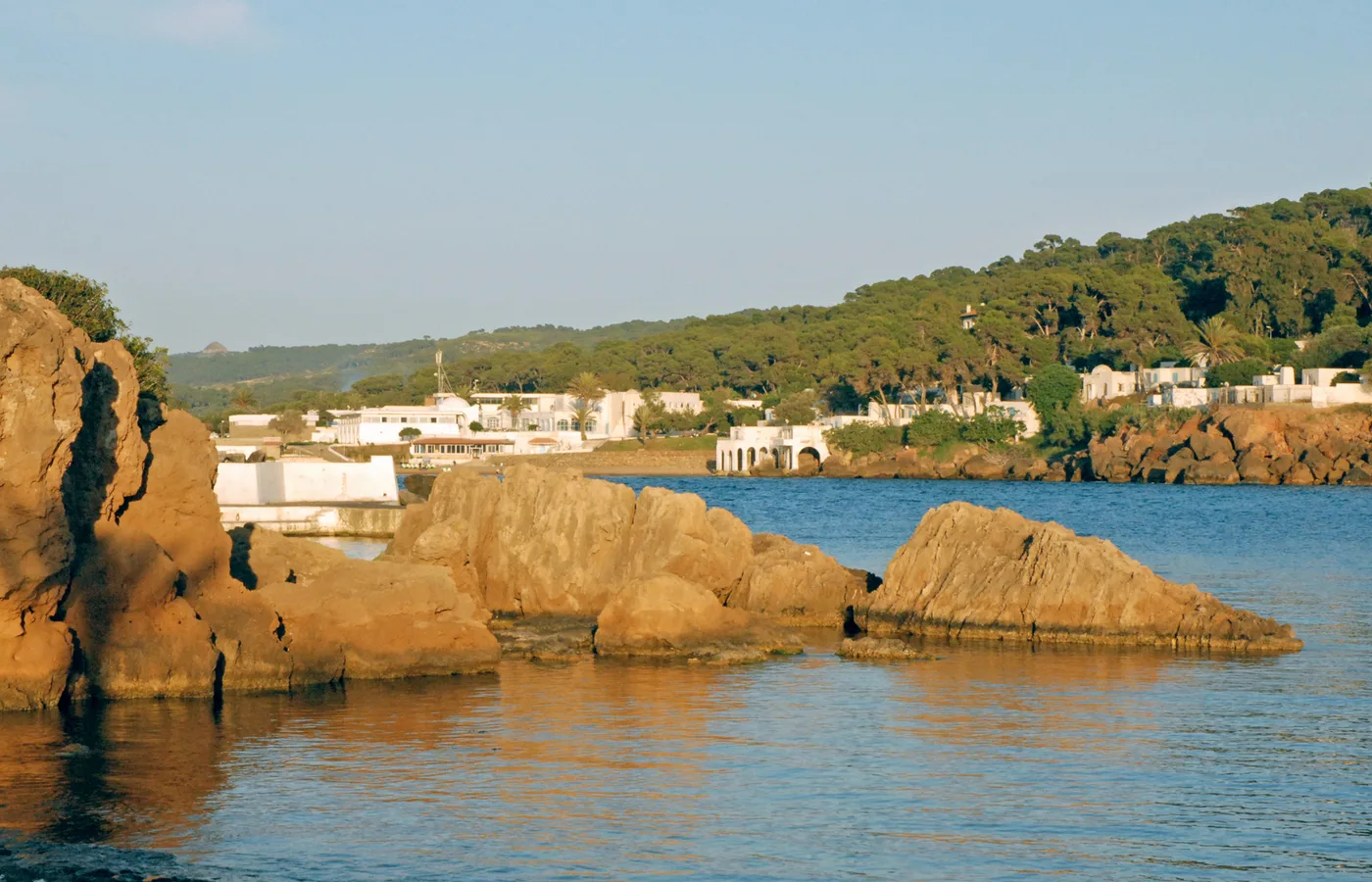
Tourism does not magically turn a coastal city into a property cash machine. It does, however, change the structure of demand, the occupancy calendar, the perceived value of certain addresses, and sometimes the pace of development projects. In Algeria, this phenomenon must be read with real data and strict editorial prudence — especially when speaking of investment.
In 2024, the Algerian National Tourism Office (ONAT) recorded 3,548,000 visitors, of whom about 1.093 million came from the diaspora. In a country that counted about 46.7 million inhabitants in January 2024 and is approaching 47 million by mid-2025 (ONS), these flows add to already structural urban pressure. On the coast, they meet a particular geography: bays, corniches, ports, seaside resorts, mid-sized towns and large Mediterranean-facing metropolises.
This article is an editorial analysis and does not constitute legal, tax, financial or notarial advice.
What tourism really changes on the coast
1. More seasonal demand
July–August, holidays, long weekends and diaspora return periods saturate certain segments: furnished rentals, secondary residences, neighbourhood services. Off-season, the same address can see marked vacancy. The investor who budgets twelve months of full occupancy from eight weeks of affluence has the wrong model.
2. A premium on “usable” location
Proximity to the beach, road accessibility, parking, shops, perceived safety, building quality: these criteria weigh more when part of demand comes for a short stay. A property “almost on the seafront” is not a seafront property. Street-by-street nuances matter.
3. Pressure on services and on some service prices
Restaurants, local transport, maintenance, informal concierge work: the tourism ecosystem sometimes raises management costs. That is not a detail. An attractive gross yield can shrink sharply after real charges.
4. A signal for real-estate development
Where seasonal demand is visible, new programmes appear or reposition. That is precisely when to demand the legal framework: Law No. 11-04 of 17 February 2011, developer agrément (wilaya), national register of developers, FGCMPI, vente sur plans framed by Law 11-04 and Executive Decree No. 13-431, livret foncier, conservation foncière, notary, garantie décennale.
Tourism authorises no legal improvisation. It only makes improvisation more tempting — and therefore more dangerous.
Cities and coastal façades: distinct logics
Oran and the western littoral
Oran combines metropolis, port and coast. The tourism effect mixes there with a broader urban economy. For property, that can support both permanent local demand and seasonal demand. Confusing the two is a classic mistake: a property thought only for summer may underperform the rest of the year; a purely “city” property may miss the coastal premium.
See also Algiers, Oran, Constantine: where to invest for your profile?.
Centre and the Algiers coast
Around Algiers and along certain stretches of coast, demand is pulled by the capital as much as by the sea. Algiers’s relative liquidity remains an asset; so does the entry price. The tourism effect adds to demographic and diaspora pressure without replacing them. For the capital: Why Algiers still attracts investors and Property prices in Algiers.
Eastern coast (Annaba and associated façades)
Annaba and other points on the eastern coast articulate port identity, heritage and beach season. Micro-markets there are often more local. An outside investor must rely all the more on a reliable notarial and technical network.
Coastal Kabylie and centres such as Béjaïa
Relief, bays, family tourism and natural attractiveness: demand exists, but logistics (access, parking, remote management) can be more constraining. The finest landscapes do not compensate for a fragile land file. For a territorial reading beyond the capital, see Tipaza, Béjaïa, Oran: zones to watch.
Diaspora: tourism that “comes back”
Of 3.548 million visitors in 2024, about 1.093 million relate to the diaspora. That is not a marketing detail. It is a specific property engine:
- purchase of a family pied-à-terre near the coast;
- renovation of an inherited property;
- seasonal rental to finance part of the charges;
- gradual retirement project.
This engine favours properties that are legally clean, easy to use, and manageable at a distance. It penalises unresolved undivided ownership, irregular constructions and opaque developers.
Seasonal rental: a conditional opportunity
Seasonal rental on the Algerian coast attracts many conversations, sometimes more than solid files. Minimum conditions for a serious reading:
- clear title (livret foncier / conservation foncière);
- compliance of the property and of uses;
- real management capacity (cleaning, keys, maintenance, disputes);
- prudent occupancy assumptions;
- understanding of applicable tax and administrative obligations depending on status.
Without these conditions, tourism becomes a story, not an economic model.
New development in coastal zones: the legal filter before the sea view
A programme with a view is not a safe programme. On the coast, verify:
- the developer’s agrément and traceability (wilaya, national register);
- the status of the land and urban-planning coherence;
- the vente sur plans contract against Law 11-04 and Decree 13-431;
- guarantee mechanisms, including the FGCMPI where applicable, and the garantie décennale after delivery;
- the role of the notary and the traceability of payments.
Viva Algérie guides:
- Buying off-plan in Algeria
- How to check a developer
- Property purchase documents
- Purchase risks
- S.A.F.E method
- Mistakes to avoid
Indirect urban effects: beyond the beach
Coastal tourism is not limited to apartments facing the sea. It influences:
- road axes and parking;
- neighbourhood shops and restaurants;
- demand for services (taxis, guides, activities);
- sometimes the renovation of old centres near the coast;
- the valuation of “second-line” properties better priced than a saturated seafront.
These effects are gradual. They do not justify buying anything “because tourism is rising”. The 3.548 million visitors of 2024 are a macro signal; each micro-market must be proven.
Risks specific to the tourism narrative
- Overvaluation of a property in the name of one successful season.
- Underestimation of works linked to marine humidity and maintenance.
- Dependence on a single booking channel or a single manager.
- Illegal use or non-compliance.
- Family undivided ownership not clarified before putting the property to rental.
- Yield promises without a verifiable history.
Tourism amplifies good files and accelerates the fall of bad ones. It is neither a guarantee nor an excuse.
Articulation with the Algeria 2030 trajectory
Improved reception capacity, mobility, airports, resorts and tourist products: the national trajectory can support the coast in the medium term. The investor must distinguish delivered projects, committed projects and announcements. See Algeria 2030: infrastructure, tourism and new opportunities and Real estate in Algeria in 2026.
Editorial method to evaluate a coastal property
- Measure permanent local demand independently of summer.
- Estimate a prudent seasonal occupancy, not an optimistic one.
- Add real charges (marine maintenance, management, vacancy).
- Verify the legal file before the seduction of the panorama.
- Test remote management (or accept being present).
- Compare with a non-coastal alternative at equal budget.
- Decide only if the coastal advantage survives that comparison.
Quality of reception and property: a still underestimated couple
Coastal tourism is not judged only by visitor numbers. It is judged by quality of reception: cleanliness of beaches and public spaces, reliability of services, perceived safety, accessibility, capacity of water and sanitation networks in high season. When these elements improve, they support property values; when they degrade, they erode even the finest addresses.
For an owner, that implies a broader reading than the apartment alone. The immediate neighbourhood, condominium management, summer parking saturation and the behaviour of furnished rentals in the building are part of the “product”. An investor who ignores these externalities discovers too late that theoretical yield hits daily frictions.
At national scale, the 3.548 million visitors of 2024 (ONAT) show that demand exists. At the scale of a coastal street, only local due diligence says whether that demand is convertible into regular occupancy, collected rents, and eventual resale. Tourism opens doors; it does not sign deeds for you.
Explore further via /en/tourism, /en/cities and /en/investment. For Algiers-specific off-plan pressure, see also Buying off-plan in Algiers and new housing delivery.
Occupancy maths without illusions
A useful coastal model starts with conservative weeks, not brochure weeks. Count high-season nights you can realistically fill, then shoulder-season nights, then assume winter may contribute little or nothing unless permanent local demand exists. Subtract management, cleaning, maintenance against salt and humidity, vacancy between bookings, and the opportunity cost of capital locked in a little-used asset.
If the thesis only works with optimistic occupancy every month, it is not a coastal investment thesis — it is a hope. Pair the spreadsheet with the legal checklist above, and with the developer verification method in How to check a real-estate developer in Algeria. Numbers without titles remain fiction.
FAQ
Is 2024 tourism enough to justify a coastal purchase in 2026?
No, on its own. The 3,548,000 visitors (ONAT) and the diaspora share (~1.093 M) indicate a context favourable to certain segments, not an automatic rise in prices or rents everywhere.
Seasonal rental or long-term rental on the coast?
It depends on the property, the city and your management capacity. Seasonal rental may better value certain addresses; long-term often offers more predictability. No option is universal.
Are new seafront programmes safer?
Not automatically. The view does not improve the developer’s agrément or the quality of the livret foncier. Apply the same Law 11-04 / Decree 13-431 filter.
Is Algiers a “coastal city” in the tourist sense?
Algiers is a littoral capital. Its market is pulled by far more than beach tourism. The tourism effect adds to other drivers there.
What to check first in an inherited coastal property?
Undivided ownership, title, technical condition (humidity, structure), and the ability to decide collectively before any rental.
Does the FGCMPI protect coastal purchases?
The FGCMPI forms part of securing real-estate development. It replaces neither full diligence nor the notary.
Sources
- Algerian National Tourism Office (ONAT) — 2024 attendance: https://www.onat.dz
- National Statistics Office (ONS): https://www.ons.dz
- Official Journal — Law No. 11-04 of 17 February 2011: https://www.joradp.dz
- Ministry of Housing, Urban Planning and the City: https://www.mhuv.gov.dz
- Ministry of Tourism and Handicrafts: https://www.mta.gov.dz
- Viva Algérie — Algeria 2030
- Viva Algérie — Compare Algiers, Oran, Constantine
This article is an editorial analysis and does not constitute legal, tax, financial or notarial advice.
Related reading
Algeria wildfires: Viva Algérie confirms Moroccan Canadair intervention
Viva Algérie confirms that Moroccan Canadair aircraft took part in firefighting operations in Algeria alongside Algerian resources. Toll, affected areas and regional solidarity.
Read article
Algerian diaspora: buying property in Algeria from abroad
Editorial guide for the Algerian diaspora: documents, notary, payments, off-plan purchase and checks for acquiring a property from abroad.
Read article
Tipaza, Béjaïa, Oran: zones to watch beyond Algiers
Beyond Algiers, Tipaza, Béjaïa and Oran offer distinct dynamics between coast, tourism, employment and property. A territorial reading for 2026.
Read article