Analysis
Algeria 2030: infrastructure, tourism and new opportunities
Toward 2030: reading infrastructure, tourism and real estate in Algeria with realism — demography, legal framework and conditional opportunities.
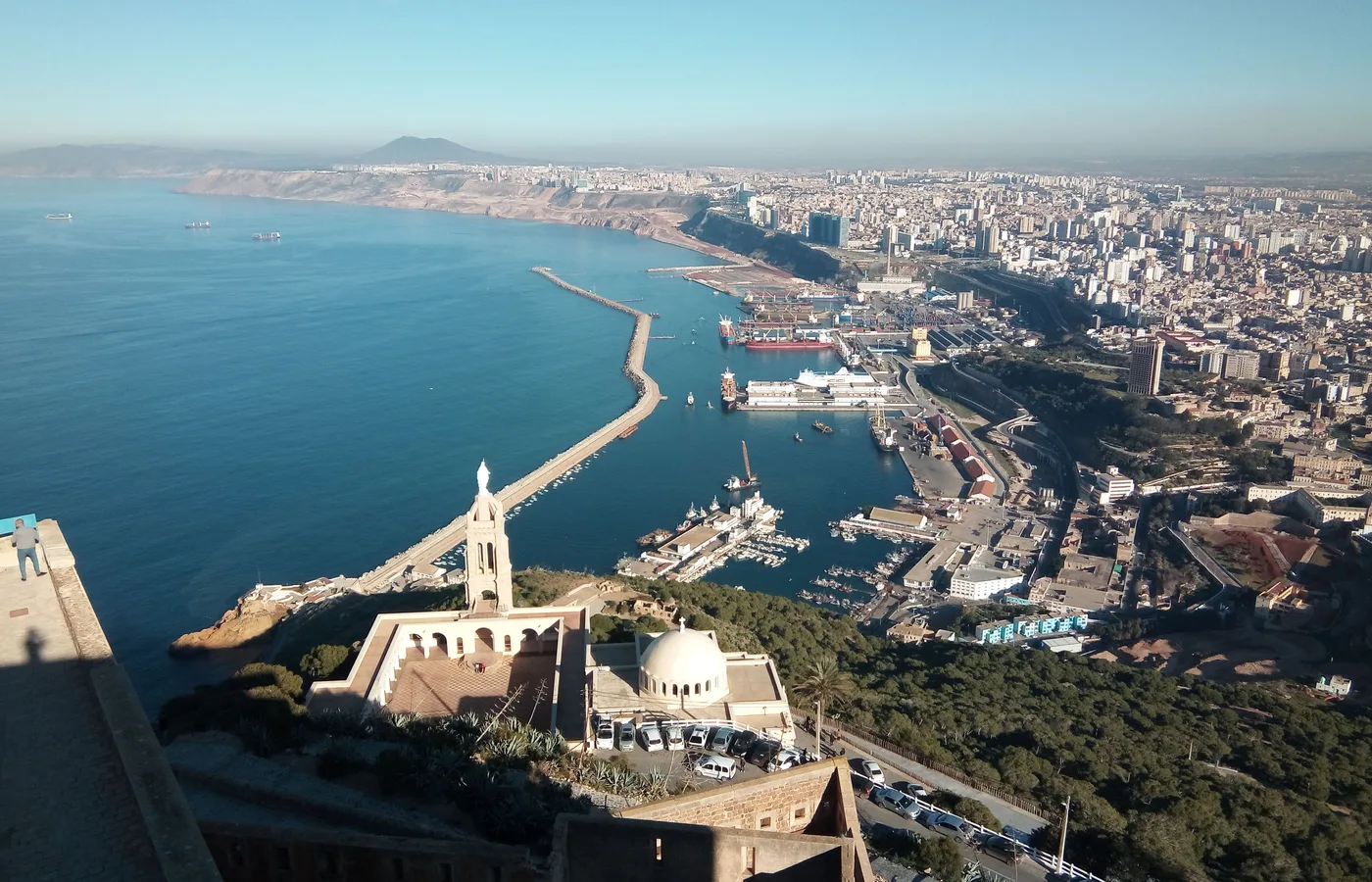
“Algeria 2030” is not a stock ticker. It is a reading horizon: that of a demographically dynamic country, engaged in infrastructure works, eager to structure its tourism, and facing lasting property demand. For a Viva Algérie reader — resident, diaspora, cautious investor — the challenge is to distinguish structural trends from promotional narratives.
Demographic facts set the tempo. The ONS placed the population at about 46.7 million inhabitants in January 2024, with a level close to 47 million by mid-2025. On tourism, ONAT counted 3,548,000 visitors in 2024, of whom about 1.093 million came from the diaspora. These figures do not “prove” an automatic property capital gain by 2030. They explain why mobility, accommodation, cities and the coast will remain central topics.
This article is an editorial analysis and does not constitute legal, tax, financial or notarial advice.
Three pillars of a 2030 reading
1. Infrastructure: reduce friction
Roads, urban transport, airports, ports, digital networks, energy: a delivered infrastructure changes the map of travel times and, sometimes, the map of property values. An announced infrastructure only changes storytelling. Between the two, the investor must demand proof of delivery and commissioning.
2. Tourism: move upmarket without paying for words
Increase reception capacity, diversify products (coastal, cultural, Saharan, business), improve the visitor experience: as many objectives which, if they materialise, support certain property segments (accommodation, services, managed residences). Tourism in 2024 provides a base; 2030 will depend on execution quality.
3. Real estate: secure before projecting
Whatever the scale of national worksites, a property remains a file. Law No. 11-04 of 17 February 2011, developer agrément, the national register of developers, the FGCMPI, the livret foncier, conservation foncière, the notary, vente sur plans (Law 11-04 and Executive Decree No. 13-431) and the garantie décennale remain the language of prudence.
Infrastructure and the geography of value
Historically, the best-connected metropolises capture a disproportionate share of demand. Algiers is the clearest illustration. Oran and Constantine follow their own regional logics. By 2030, any significant improvement in mobility can:
- bring peri-urban communes closer to the employment market;
- strengthen industrial or logistics corridors;
- ease access to tourist zones;
- change the “price / travel time” calculation for households.
That does not mean every plot along a future axis becomes an opportunity. Windfall effects also attract poorly documented speculation. The right question is not “is there a project?” but “is the project financed, scheduled, and already visible on the ground?”.
For urban arbitrages: Algiers, Oran, Constantine, Why invest in Algiers, Property prices in Algiers.
Tourism 2024 → 2030: trajectory, not promise
3.548 million visitors in 2024 constitute a reference point. The diaspora share (~1.093 million) recalls that a major fraction of flows already knows the country, its families and its circuits. Toward 2030, tourism-linked opportunities will depend on:
- the quality of hotel and para-hotel supply;
- the reliability of transport and services;
- seasonality better managed (avoid all-August dependence);
- the capacity to convert stays into repeatable experiences;
- the compliance of accommodation and residences offered for rental.
On the coast, the effect is already perceptible in investment conversations. It must be treated with method: see The effect of tourism on coastal cities.
Where conditional property opportunities may emerge
Without drawing a list of “miracle spots”, several families of opportunities deserve editorial follow-up through 2030:
A. Metropolises and first ring
Structural demand, services, relative liquidity. Entry ticket sometimes high; severe selection.
B. Mobility nodes
Sectors whose accessibility genuinely improves (not virtually). Value often follows time saved, with a lag.
C. Structured coast
Where tourism + service + urban planning compliance meet. Watch humidity, seasonality and opportunistic developers.
D. Products linked to hospitality
Managed residences, properties adapted to short or medium stays — subject to the applicable legal and tax framework.
E. Urban requalification
Brownfields, old centres, blocks to renovate: real potential, high complexity (titles, undivided ownership, standards).
In all cases, the documentary filter comes first. Guides: Check a developer, Buy off-plan, Purchase documents, Risks, S.A.F.E, Mistakes to avoid, Real estate 2026.
The 2030 risk: believe too early, pay too much
Long horizons encourage two excesses:
- Buying the brochure: prices inflated in the name of an undelivered future.
- Ignoring the present: neglecting a solid file today to wait for a hypothetical “revolution”.
A healthier strategy is to:
- prioritise what already has utility in 2026;
- treat 2030 as an optional upside, not as the core of the model;
- demand safety margins on entry price;
- diversify theses (use, rental, transmission) rather than single bets.
Governance, trust and real-estate development
At national scale, trust in the property sector also depends on the ability to enforce development rules. Agrément at wilaya level, publicity around authorised developers, the role of the FGCMPI, notarial practice and the solidity of conservation foncière are institutional infrastructures. As important, in the long run, as certain physical infrastructures.
A country that improves the readability of its titles and the accountability of its developers attracts longer savings — including diasporic ones. A country where the informal shortcut remains tempting attracts impatient money… and disputes.
Editorial scenarios (non-predictive)
Consolidation scenario
Infrastructure delivered in stages, tourism in measured growth, more selective property market, premium to compliant files.
Tourism acceleration scenario
Clear improvement in supply and accessibility; tension on certain well-located coastal and urban segments; increased risk of local overvaluation.
Friction scenario
Worksite delays, regional heterogeneity, persistent distrust of some programmes; titled and liquid properties remain sought after, the rest stagnates.
These scenarios are not quantified forecasts. They are frameworks to stress-test a purchase thesis.
How a private individual can “read” 2030 without getting lost
- Follow commissionings rather than ceremonies.
- Link each infrastructure project to a concrete travel time.
- Cross tourism (ONAT) with local reality (occupancy, asking prices, stocks).
- Keep a single legal checklist for the whole territory.
- Document assumptions and revise them every year.
- Accept not to deploy all capital on a single 2030 story.
Diaspora, long savings and the demand for proof
The diaspora holds a particular place in the 2024–2030 trajectory. The roughly 1.093 million diaspora visitors recorded in 2024 are not only travellers: a share of them are potential wealth decision-makers, who compare the simplicity of an Algerian file with other international options. To convince them durably, the country does not need more ambitious storytelling; it needs repeatable proof: readable titles, approved developers, deadlines kept, accessible notaries, effective conservation foncière.
By the 2030 horizon, the real opportunity for the property ecosystem is therefore not only quantitative (more visitors, more roads). It is qualitative: turn a purchase intention into a secured transaction, then into serene ownership. Specialised media, legal professionals and compliant developers have a convergent role: reduce information asymmetry.
What Viva Algérie retains for 2026–2030
- Demography remains a foundation (ONS: ~46.7 M in January 2024, ~47 M by mid-2025).
- Tourism provides a context (ONAT 2024: 3.548 M visitors), not a yield guarantee.
- Infrastructure creates value when it is delivered, not when it is only announced.
- The real-estate development framework (Law 11-04, agrément, Decree 13-431, FGCMPI, livret foncier, notary, garantie décennale) remains filter number one.
- Algiers, Oran, Constantine and the coast offer distinct theses; none absolves poor diligence.
In editorial summary: 2030 is a useful horizon for thinking about mobility and hospitality; 2026 remains the year when you verify a file. Explore also /en/analysis, /en/investment and /en/real-estate.
From announcement to asset: a practical filter for 2026 buyers
When a seller or developer invokes “Algeria 2030”, ask four concrete questions. First: what infrastructure is already in service within a realistic radius of the property? Second: what travel-time gain can you measure today, not in a rendering? Third: does the file stand without the 2030 story — title, agrément, contract, price? Fourth: if the national timeline slips by five years, does your use thesis still hold?
Buyers who answer those questions honestly tend to pay less for narrative and more for utility. That is the spirit of our broader 2026 reading in Real estate in Algeria in 2026 and of the coastal follow-up in Tipaza, Béjaïa, Oran: zones to watch. The horizon matters; the deed matters more.
FAQ
Is Algeria 2030 a property investment plan?
No. It is an analysis horizon. Any purchase decision must rest on a precise file, a price, a title and a use, not on a temporal slogan.
Do tourism figures guarantee a price rise?
No. They support certain potential segments. Prices depend on local supply, property quality and market psychology.
Should you wait until 2030 to buy?
Waiting can cost as much as buying too early. If a property is useful, compliant and reasonably priced today, the 2030 horizon may be only a bonus.
What link between infrastructure and developers?
New axes attract new programmes. That is exactly when to apply Law 11-04, agrément, Decree 13-431 and land controls. See also Buying off-plan in Algiers and new housing delivery.
Will the diaspora play a greater role?
It already plays a visible role in 2024 flows (~1.093 M). Its property impact will depend on documentary trust and ease of use of assets.
Where to find official information?
ONS, ONAT, JORADP, supervising ministries (Housing, Tourism, Public Works depending on the topic). Always cross several sources.
Sources
- National Statistics Office (ONS): https://www.ons.dz
- Algerian National Tourism Office (ONAT): https://www.onat.dz
- Official Journal of the People’s Democratic Republic of Algeria: https://www.joradp.dz
- Ministry of Housing, Urban Planning and the City: https://www.mhuv.gov.dz
- Ministry of Tourism and Handicrafts: https://www.mta.gov.dz
- Viva Algérie — Tourism and coastal cities
- Viva Algérie — Real estate in Algeria in 2026
This article is an editorial analysis and does not constitute legal, tax, financial or notarial advice.
Related reading
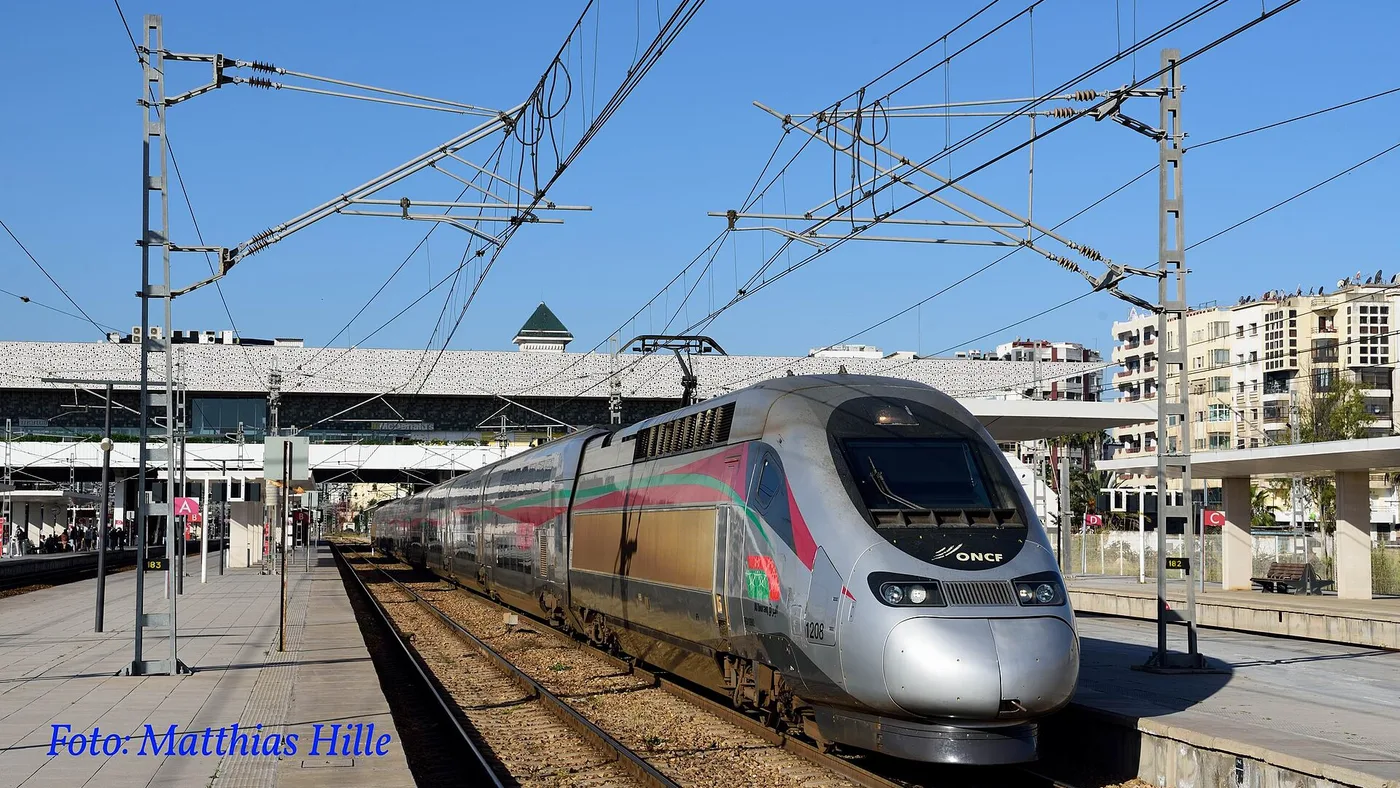
Morocco 2030: can Algeria keep up with the pace?
High-speed rail, airports, ports, stadiums and mining rail: a verified project-by-project comparison of Morocco and Algeria.
Read article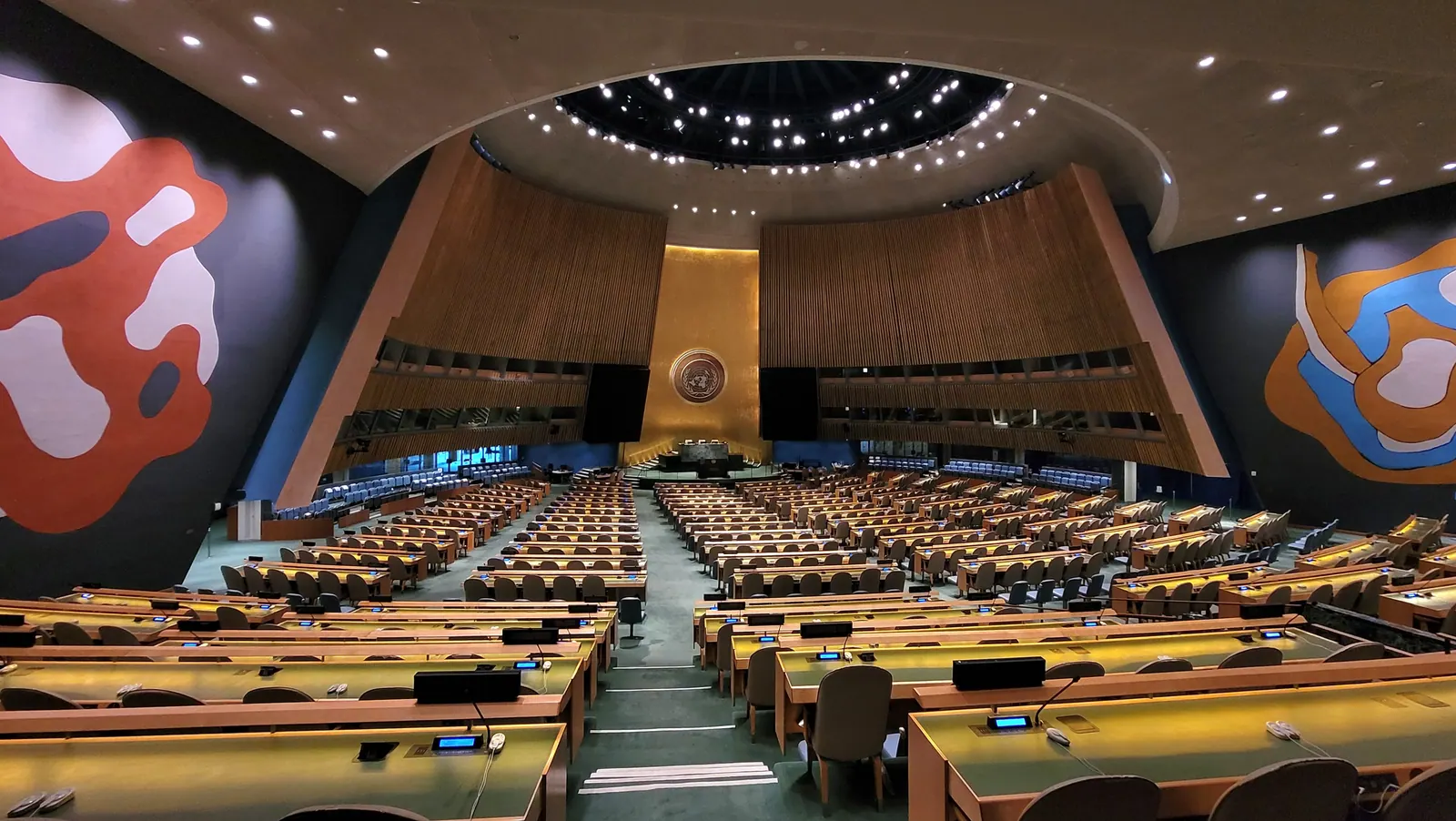
Western Sahara: where does the diplomatic balance stand?
UN, autonomy, Polisario, Algeria, US, France, Spain, EU and AU: an attributed position map as of 5 September 2026.
Read article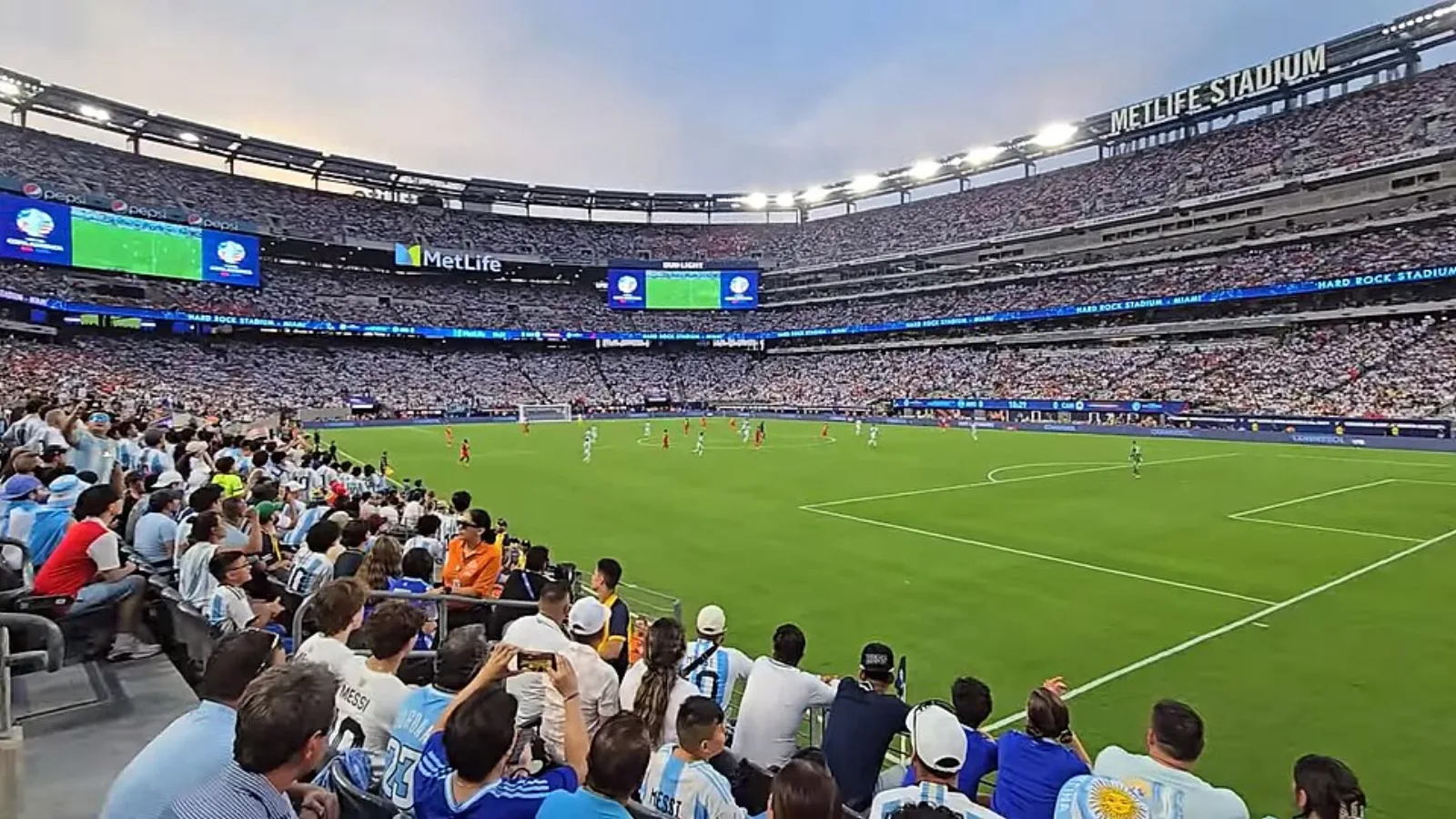
World Cup 2026: official review of Algeria and Morocco
Verified FIFA results: Algeria's path, Morocco s path and a Maghreb reading after Spain's title.
Read article