Cities
Tipaza, Béjaïa, Oran: zones to watch beyond Algiers
Beyond Algiers, Tipaza, Béjaïa and Oran offer distinct dynamics between coast, tourism, employment and property. A territorial reading for 2026.
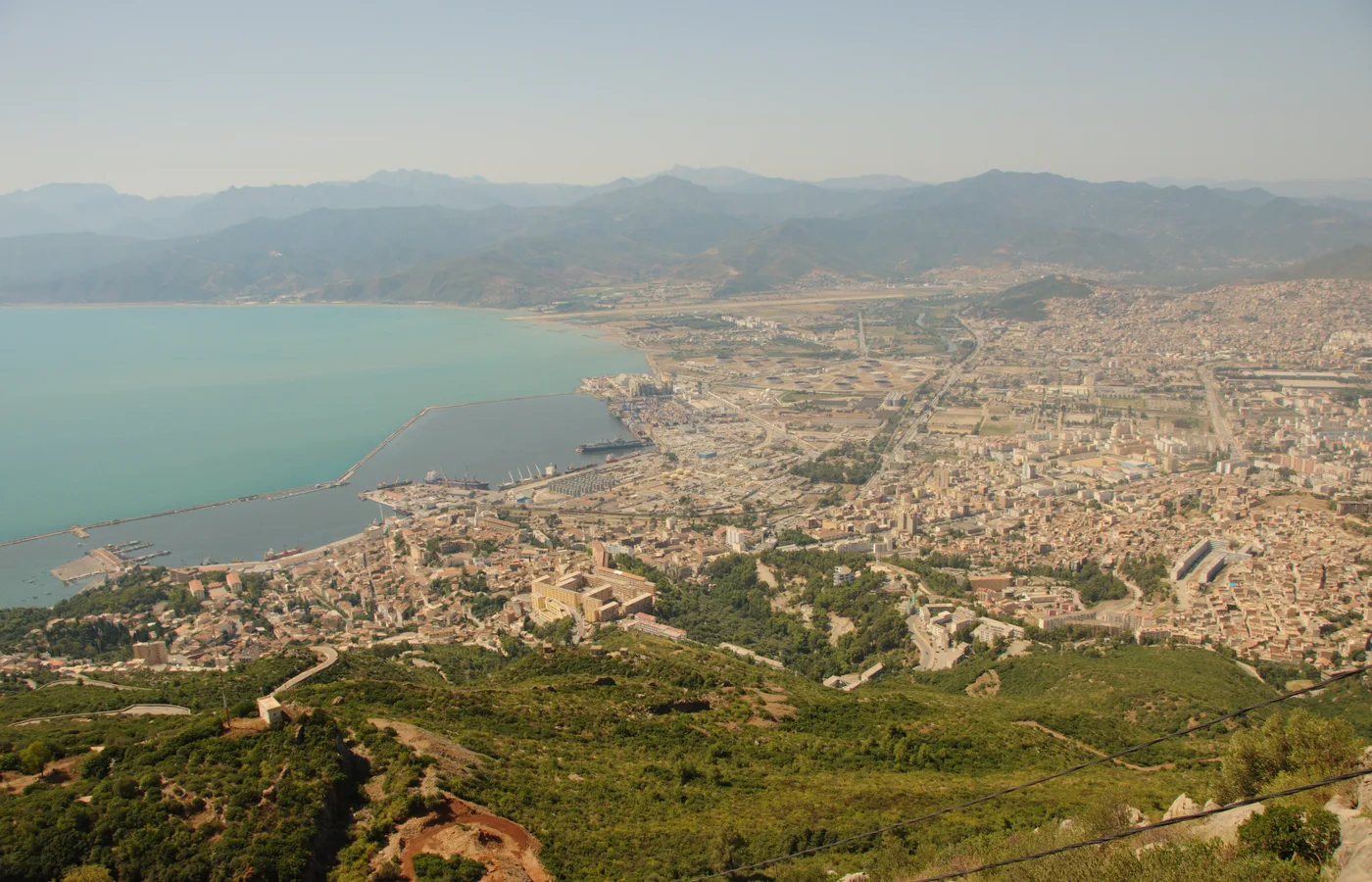
Algiers concentrates media attention, headquarters, a major share of solvent demand and a large part of the discourse on property prices. Yet the useful map of Algeria’s property and territorial landscape does not stop at Greater Algiers. Tipaza, Béjaïa and Oran embody three different ways of existing outside the capital: heritage and coastline close to Algiers, a Kabyle façade open to sea and mountain, and an Oranese metropolis turned toward the west.
Watching these zones does not mean “buy immediately”. It means understanding trajectories: local demography, tourism, accessibility, economic fabric, and maturity of the property market — new as well as second-hand.
This article is an editorial analysis and does not constitute legal, tax, financial or notarial advice.
Why look beyond Algiers
Diversify the territorial reading
A single national market does not really exist. Basins do. Algiers can remain expensive and tight while other cities offer different trade-offs between entry price, quality of life and liquidity. For a residential buyer, the question is often: where is my daily life tenable? For a wealth buyer, it becomes: where does the property remain understandable and resaleable within my horizon?
Tourism and attractiveness: a context, not an automatic switch
According to the National Tourism Office (ONAT), Algeria welcomed 3.548 million visitors in 2024. That national dynamic feeds interest in coastal and heritage cities. It does not, by itself, create a housing shortage or a rental yield. Our analysis of the effect of tourism on coastal cities develops this distinction.
Infrastructure and the 2030 horizon
Roads, ports, airports, tourism amenities and urban projects slowly reshape households’ mental maps. The scenarios discussed in Algeria 2030 help reason over the long term, without turning an infrastructure announcement into certain capital gain.
Tipaza: heritage coast west of Algiers
What sets Tipaza apart
Tipaza combines a strong heritage identity (antique site, relationship to the sea) with relative proximity to Algiers. That dual nature attracts both residents seeking a different living environment and demand for holiday homes or secondary residences — with all the risks of commercial over-interpretation that implies.
Property reading
The Tipaza market is not a miniature clone of Algiers. Typologies, density, seasonality and title quality vary sharply by sector (near the centre, peripheries, more residential zones). A buyer from outside the wilaya must be especially vigilant on:
- the reality of land status and documents;
- buildability and local rules;
- effective access (real travel time, not map distance);
- intended use outside the tourist season.
For whom Tipaza can make sense
- Households linked to Algiers but seeking a coastal setting.
- Cautious wealth buyers, prioritising use over an aggressive rental scenario.
- Buyers ready to verify every file — including outside development — with a notary.
Tipaza is not “automatically” a capital-gain zone. It is a zone to watch because its attractiveness is real and because a documentary error there would be costly.
Béjaïa: sea, mountain, port and Kabyle identity
A landscape city
Béjaïa offers a rare composition: maritime façade, relief, port, historic urban fabric and contemporary extension. That geography creates micro-markets: centre, heights, peripheries, nearby communes. What “works” in one sector can be illiquid fifteen minutes away.
Economy and anchoring
Beyond seasonal tourism, Béjaïa rests on port, industrial and service activities. For property, that matters: local demand linked to employment is often more stable than purely tourist demand. Again, relative stability does not mean a price guarantee.
Points of vigilance
- Accessibility and relief: an exceptional living setting can come with practical constraints (slopes, parking, service).
- New vs second-hand: in some sectors, new housing meets a comfort demand; elsewhere, a well-titled second-hand property remains more rational.
- Tourist promises: a “sea view” apartment is not a business plan. Demand documents, a clear use, and a reading of purchase risks.
For whom Béjaïa can make sense
- Residential buyers attached to the territory.
- Diaspora with local family anchorage and capacity to follow a worksite or renovation.
- Profiles who value living environment more than a pure price comparison with Algiers.
Oran: western metropolis, urban ambition
Another de facto capital
Oran functions as a polarity of western Algeria: services, education, employment, urban culture, maritime façade. Comparing Oran to Algiers is useful for positioning, misleading for prices and rhythms. Our comparative reading Algiers, Oran, Constantine helps choose according to profile.
Property: market depth
Oran offers greater market depth than many mid-sized cities: more supply, more actors, more programmes. That depth is an opportunity (choice) and a risk (commercial noise). In new builds, apply the same discipline as everywhere else: developer agrément, contracts under the Law 11-04 / Decree 13-431 framework, FGCMPI where applicable, off-plan verifications.
Sectors and use
As in Algiers, the city name is not enough. Distinguish:
- established sectors vs extensions;
- family products vs standing products;
- immediately habitable properties vs off-plan purchase.
A local Oranese buyer does not face the same constraints as a diaspora buyer discovering the market at a distance. In the second case, method and the notary become non-negotiable; see diaspora: buying from abroad.
How to compare Tipaza, Béjaïa and Oran without a false ranking
| Criterion | Tipaza | Béjaïa | Oran |
|---|---|---|---|
| Polarity | Coast near Algiers / heritage | Kabyle landscape city | Western metropolis |
| Market depth | More limited | Intermediate / segmented | Broader |
| Risk of tourist over-reading | High | High in some sectors | Present but diluted by the urban economy |
| Typical public | Residence / cautious secondary | Local anchorage / living environment | Urban residential and wealth |
This table is a qualitative compass, not an investment score. No “best yield” ranking is offered here, for lack of homogeneous local data and to avoid invented figures.
Seasonality, liquidity and coastal “false urgency”
In Tipaza as in some sectors of Béjaïa — and, to a lesser extent, on Oran’s seafront — high season distorts judgement. A lively summer neighbourhood can seem more “liquid” than it is in February. Conversely, winter quiet does not forbid an excellent residential use.
Before buying a holiday-oriented property, simulate life off-season: access, open shops, heating, permanent neighbours, cost of a little-occupied home. Resale liquidity will depend less on the slogan “sea view” than on the real depth of buyers for this sector, this typology and this price level.
Also beware of commercial false urgency (“last lot”, “diaspora rate”). Outside Algiers, stock and marketing pace vary; a week of notarial and documentary checks remains almost always rational.
Method for “watching a zone” without rushing the purchase
- Define use before the wilaya.
- Measure real time of access to places of life (work, family, services).
- Map 2–3 sectors maximum, not the whole city.
- Separate documented second-hand, delivered new, and vente sur plans (off-plan sale).
- Require the documents (livret foncier / deed, developer agrément, contracts).
- Consult a local notary before any significant payment.
- Pre-select projects with a structured grid — including S.A.F.E if you are evaluating a development.
- Return off-season or at non-tourist hours before deciding on a coastal property.
Frequent mistakes outside Algiers
- Copying an “Algiers” strategy onto Tipaza or Béjaïa.
- Buying a view rather than a title.
- Underestimating seasonality and the charges of a little-occupied property.
- Confusing an infrastructure announcement with a price rise.
- Signing an off-plan purchase without checking the developer (dedicated guide).
- Neglecting delivery and execution quality.
What to take away
Tipaza, Béjaïa and Oran deserve to be watched because they embody lasting polarities beyond Algiers — coastal heritage, landscape city, western metropolis. They do not form a single basket of opportunities. Each zone demands a local reading, a clear use, and the same legal rigor as in the capital: notary, documents, and the real-estate development framework when new housing is involved.
To go further, explore the Cities category, the new housing focus and the legal framework. Also useful: /en/tourism, /en/real-estate and /en/guides.
Beyond prices: reading daily life as an investment variable
Outside Algiers, many files fail not on law but on lifestyle realism. A Tipaza property that looks perfect on a summer Saturday may be impractical for a household that must reach Algiers every working day. A Béjaïa apartment with a spectacular view may become a parking and access problem if the building has no workable management. An Oran seafront unit may deliver strong August occupancy and weak winter cash flow.
Treat daily friction as part of due diligence. Time the commute at peak hours. Check whether shops and services operate year-round. Ask who lives in the building in February. Visit after rain if the plot sits near the coast. These checks sound elementary; they eliminate more bad coastal purchases than any glossy brochure. Pair them with the documentary chain — livret foncier, conservation foncière, notary — described in our purchase documents guide.
FAQ
Is Tipaza “too close to Algiers” to still offer value?
Proximity is precisely part of the attractiveness. It implies neither automatic undervaluation nor permanent overvaluation. The right file depends on sector, title and use.
Does Béjaïa suit tourist rental investment?
Possibly for certain properties and certain profiles, but it is not a rule. National tourism (ONAT, 3.548 million visitors in 2024) is a context. First show legal solidity and realistic use outside high season.
Can Oran replace Algiers in a wealth strategy?
For some western households or some budgets, yes as a main anchor. As a “perfect substitute” for Algiers, no: markets, networks and liquidity differ.
Should you prioritise new builds outside Algiers?
Only if the project is solid. Outside the capital, a poorly located or poorly executed new home can be harder to resell. Well-documented second-hand often remains competitive.
How to watch these zones without living there?
Multiply local sources, visit at relevant hours and seasons, work with a notary, and refuse purely digital decisions (photos, stories, commercial calls).
Is S.A.F.E useful outside Algiers?
Yes, whenever you need to qualify a promotional project. Geography changes; the demand for transparency on the developer, the file and delivery does not.
Sources
- National Tourism Office (ONAT) — 3.548 million visitors in 2024.
- National Statistics Office (ONS) — official demographic and territorial data.
- Law No. 11-04 of 17 February 2011 and Executive Decree No. 13-431 — framework for development and off-plan sales (when new housing is concerned).
- Related resources: cities, coastal tourism, S.A.F.E, buying off-plan.
Related reading
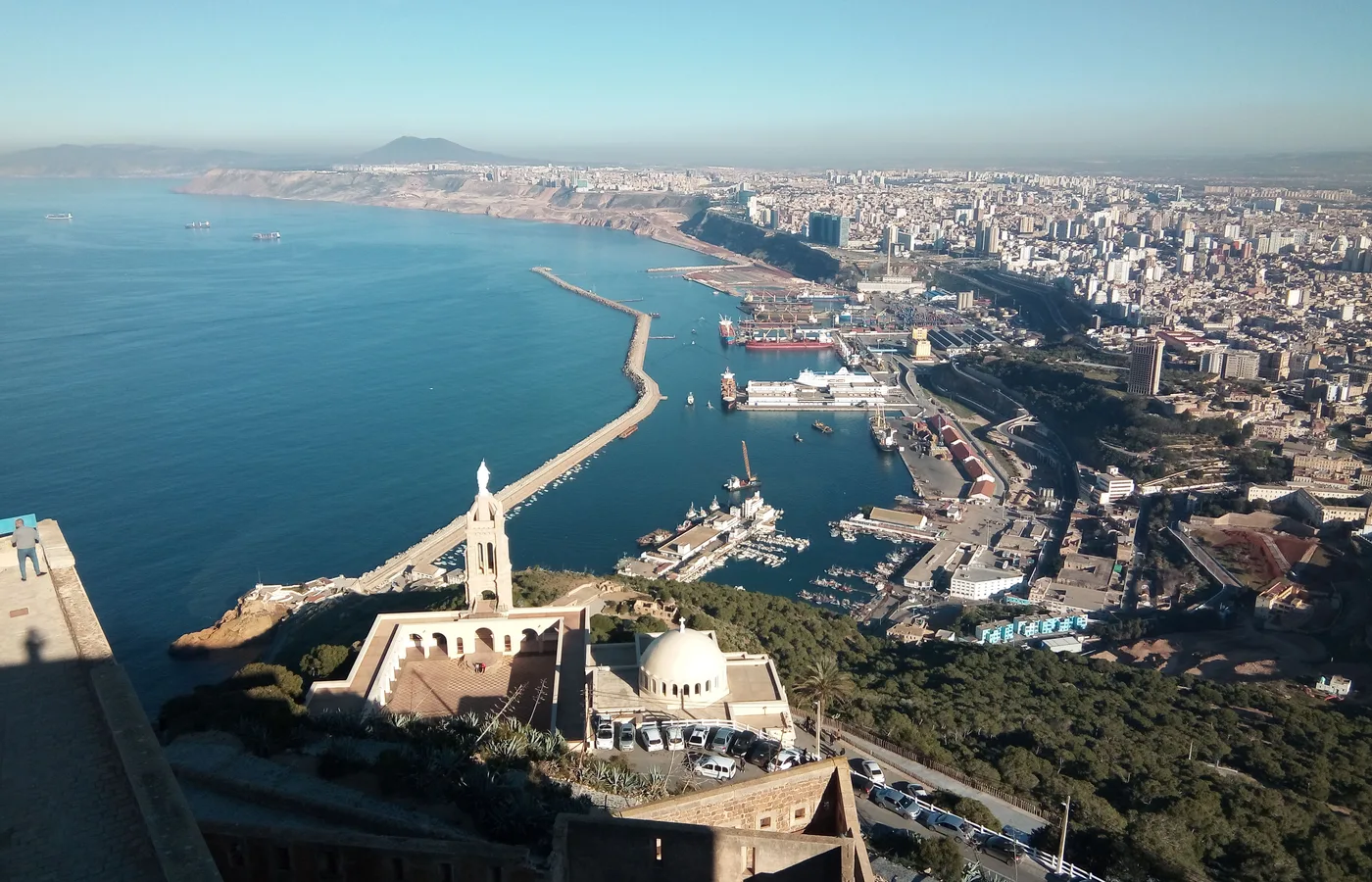
New housing in Algeria: opportunity or market under pressure?
New housing in Algeria attracts buyers and the diaspora, but remains marked by supply tensions, delays and development risks. Editorial analysis.
Read article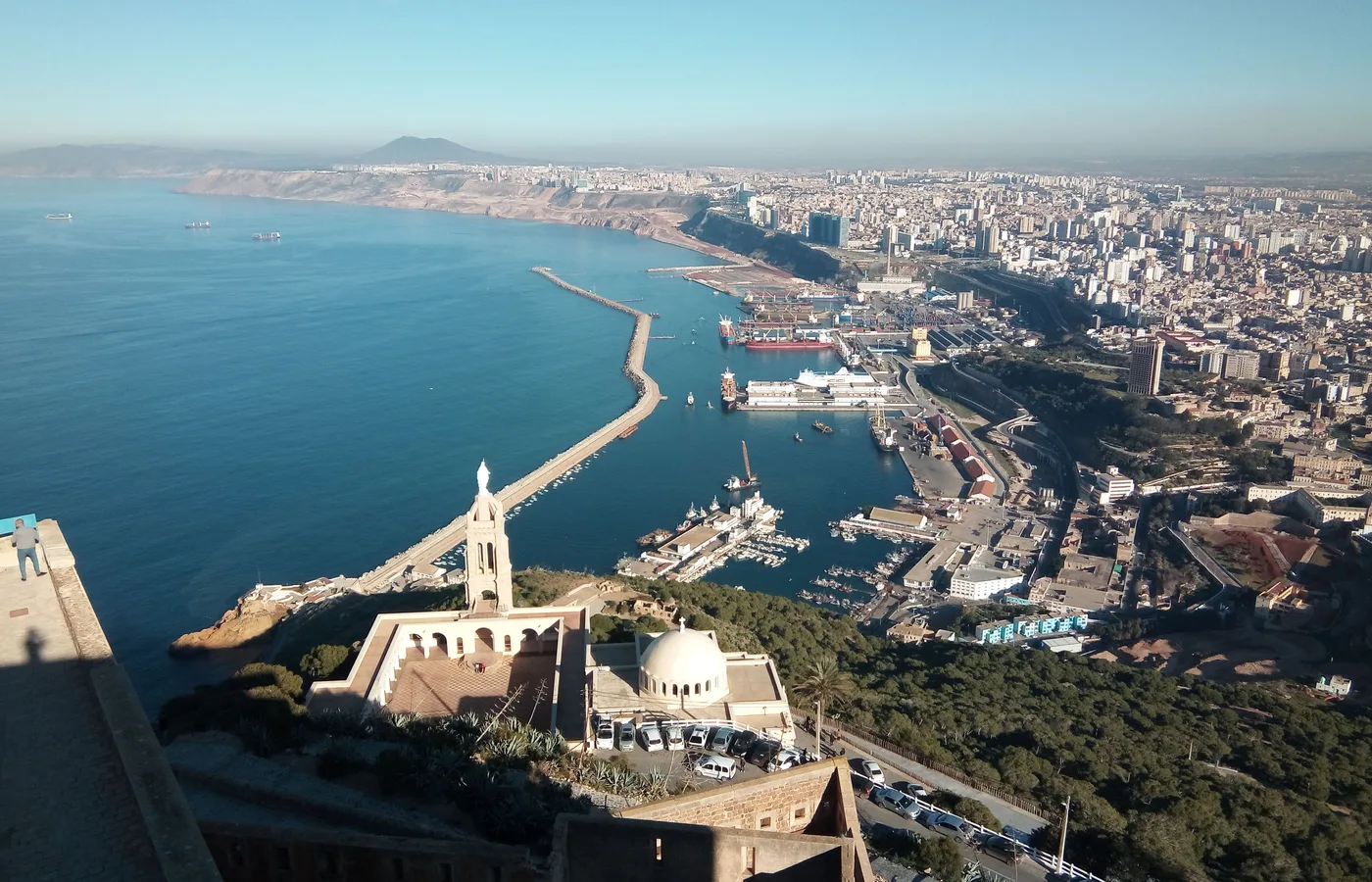
Algeria 2030: infrastructure, tourism and new opportunities
Toward 2030: reading infrastructure, tourism and real estate in Algeria with realism — demography, legal framework and conditional opportunities.
Read article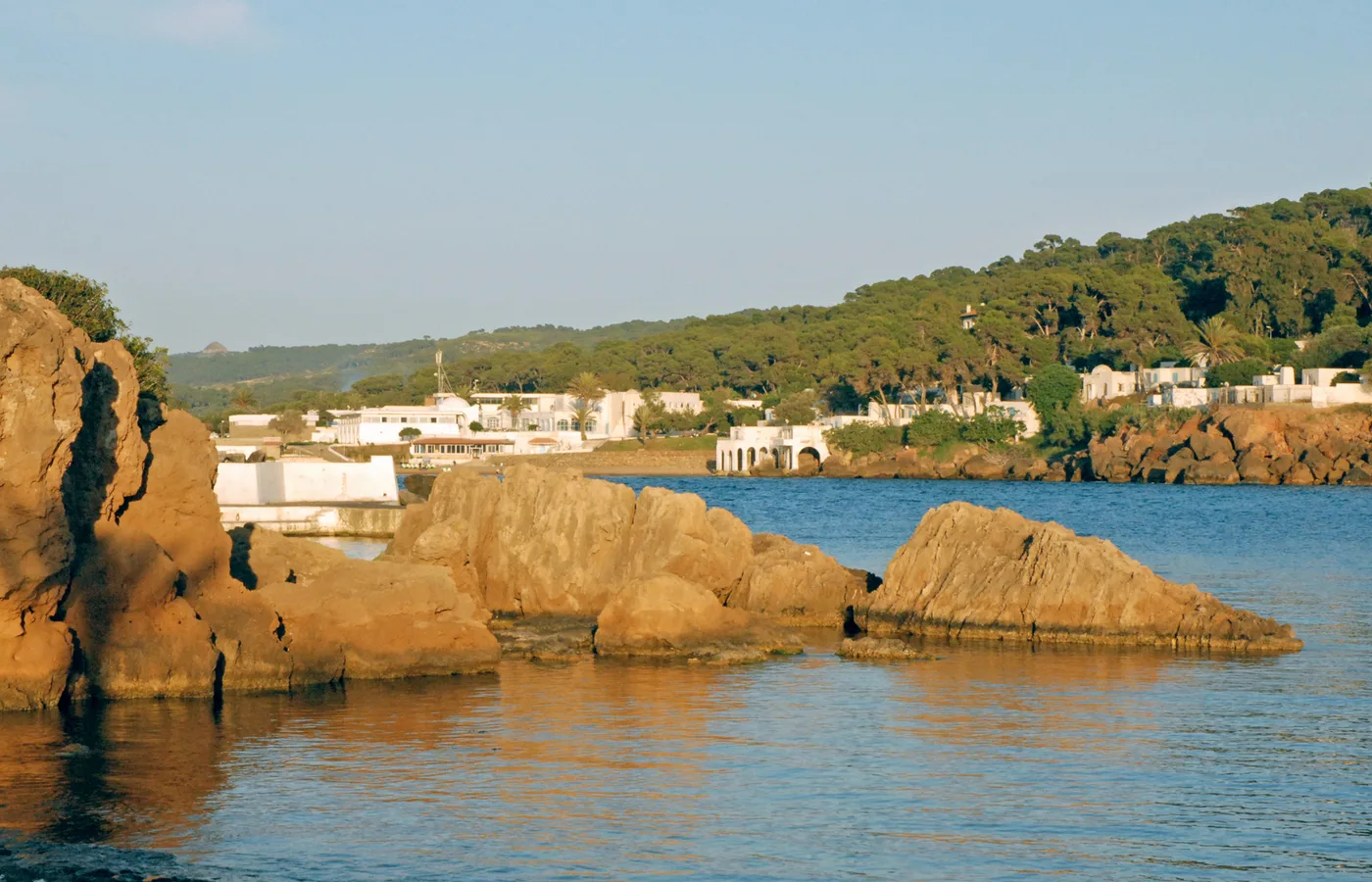
The effect of tourism on Algeria’s coastal cities
How 2024 tourist and diaspora flows reshape property interest in Algeria’s coastal cities — without yield illusions.
Read article