Investment
Algerian diaspora: buying property in Algeria from abroad
Editorial guide for the Algerian diaspora: documents, notary, payments, off-plan purchase and checks for acquiring a property from abroad.
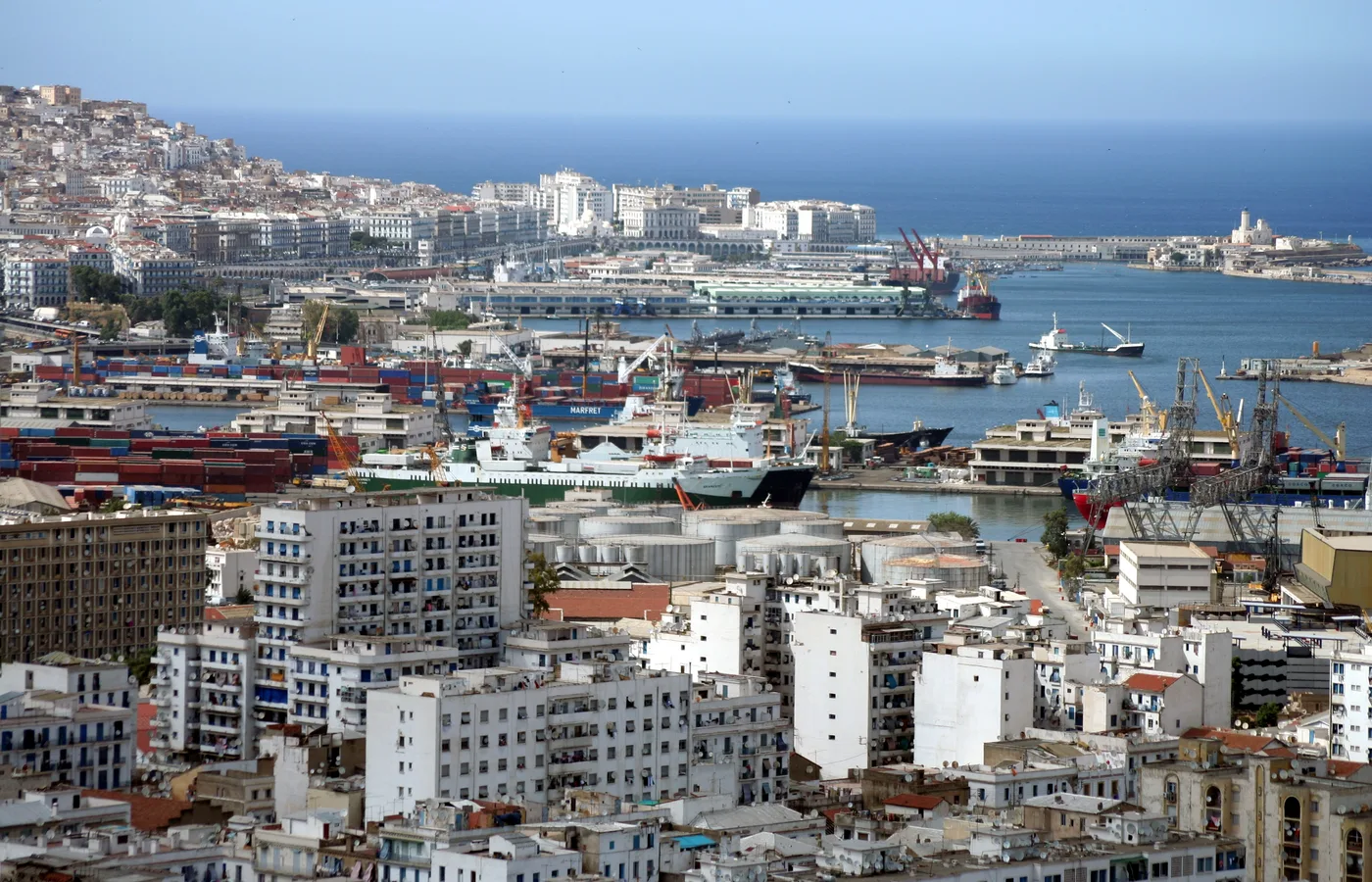
Buying a property in Algeria from abroad is a frequent project in diaspora trajectories: family residence, pied-à-terre, transmitted wealth, or preparation for a partial return. Distance changes the nature of risk. It is not only the price per square metre that counts; it is the ability to verify, to delegate without abandoning control, and to circulate information between notary, seller or developer, and a decision-maker based in Paris, Montreal, Dubai or elsewhere.
This article sets out a method. It promises neither yield, nor universal administrative ease, nor a single solution for every personal status.
This article is an editorial analysis and does not constitute legal, tax, financial or notarial advice.
What distance really changes
Information asymmetry
On site, an improvised visit, a neighbour, a second opinion quickly correct a bad impression. At a distance, polished photos and insistent calls occupy the whole field. The diaspora must therefore overcompensate with procedure: written documents, geolocated video calls, clear mandates, and refusal of deposits “to reserve verbally”.
Multiplicity of interlocutors
Family, a friend “who knows the market”, an agency, a developer’s salesperson, an improvised broker… The longer the chain, the more the message distorts. Designate a short circuit: you → identified notary / professional → counterpart (seller or developer).
Horizon and use
Many diaspora purchases fail conceptually before they fail legally: a property that is too large, too isolated, too theoretical as a “rental investment”, or incompatible with short stays. Clarify use before choosing a wilaya.
Clarify the project before the property
Write down four questions:
- Main use: live there during stays, house the family, hold wealth, prepare a return?
- Horizon: 2 years, 10 years, transmission?
- Total budget: price + fees + works + delay cushion (especially for new builds).
- Follow-up capacity: who visits the site, who receives the keys, who manages incidents?
Without these answers, Algiers, Oran or Tipaza are only names on a map. To compare polarities, see Algiers, Oran, Constantine and Tipaza, Béjaïa, Oran.
Second-hand, delivered new, off-plan: three levels of distance
Documented second-hand
Advantage: visible property, potentially faster enjoyment. Risk: incomplete titles, undivided ownership, succession disputes, conditions invisible at a distance. Early on, require the list of purchase documents and a notarial reading.
Already delivered new housing
Often an interesting compromise for the diaspora: modern product, construction risks largely behind, yet reception, reservations and documentary finalisation still need checking. See new housing delivery.
Vente sur plans (off-plan sale)
Financially accessible in some cases, but more demanding at a distance. Strictly apply the grid buying off-plan: checks and the page buying off-plan in Algeria: developer agrément, contracts (Law 11-04, Decree 13-431), schedule, FGCMPI where applicable.
The notary: an anchor point, not an option
In Algerian property law, the notary structures the security of the deed and guides on file completeness. For a buyer abroad, they are often the only professional able to bring the file back to reality.
Good practices:
- choose the notary early, before emotional commitment;
- require that documents reach them directly;
- do not sign heavy documents on a simple uncommented PDF;
- clarify power of attorney / representation modalities if you cannot be present — according to your situation and applicable requirements, with personalised professional advice.
The notary does not replace a technical inspection of the property, nor an analysis of your tax position in your country of residence.
Documents: the same requirement, different logistics
Whether it is a livret foncier, a deed, identity documents, the property’s situation with conservation foncière, or the developer file, the rule is constant: no significant payment without a readable file.
At a distance, organise:
- a shared cloud folder with dated versions;
- a signed checklist (what is received / missing);
- translation or explanation of technical terms if needed;
- verification that plans and surfaces match the property visited on video.
Our page property purchase documents in Algeria serves as a base; adapt it with your notary.
Payments and traceability
The diaspora is a privileged target of opaque circuits: untraced cash, third-party accounts, “advances” to an intermediary. Require:
- a clear contractual framework before payment;
- traceable transfers to the intended beneficiaries;
- receipts and quittances;
- alignment of amounts with the schedule (especially in development).
Exchange, transfer and declaration rules may depend on your country of residence and on Algerian regulation applicable to your operation. That point belongs to personalised advice (bank, notary, authorised professional) — outside the scope of an editorial analysis.
Delegate without relinquishing control
Mandates and limits
If a relative visits properties, define in writing: max budget, wilayas, typology, prohibitions (no deposit, no signature). A vague mandate creates family conflicts as much as wealth risks.
Remote visits
Ask for:
- a live video visit (not only a montage);
- a walk through the neighbourhood on foot;
- photos of defects, not only flattering angles;
- a second independent opinion if the amount is high.
Pre-selection of new projects
To filter promotional noise, an international methodology such as S.A.F.E (Security, Analysis, Fidelity & Expert Guidance) helps ask the right questions. Reminder: S.A.F.E is not an official state certification and does not replace the notary.
Tax and residence: two countries, two logics
Owning a property in Algeria while residing abroad may create reporting obligations in the country of residence, and sometimes interactions between regimes. Do not improvise from forums. Consult a tax professional competent for your situation. Viva Algérie issues no tax advice.
Post-purchase management: the forgotten subject
Many diaspora files focus on signature and neglect the aftermath. Who pays the charges? Who intervenes in case of a leak, a claim or a neighbour dispute? Who keeps the keys and originals? Who follows a site through to delivery?
Without a management protocol, a property “for the family” quickly becomes a source of family friction. Put in writing, even simply: local contact, annual maintenance budget, occupation rules among relatives, and a calendar of your stays. Poorly managed wealth deteriorates as surely as a poorly titled file becomes complicated.
Distance amplifies every ambiguity left unresolved at signing. A clear occupation calendar among siblings, a named local caretaker, and a shared folder for invoices and keys are not bureaucratic excesses: they are the practical tools that keep a family asset usable across borders. When those tools are missing, even a legally clean purchase can become a recurring conflict — and conflicts at a distance are harder and more expensive to resolve.
Algiers attracts: yes, but it is not always the right first purchase
Algiers remains magnetic for the diaspora — centrality, services, relative liquidity, symbolic prestige. Our reading Why Algiers still attracts investors explains that force. Even so, a first purchase may be more rational in a city of family anchorage (Oran, Constantine, Béjaïa, etc.) if the real use is there.
On Algiers new builds, cross buying off-plan in Algiers with the prices context.
Typical diaspora mistakes
- Entrusting a deposit to a non-contractual intermediary.
- Buying on photos after a single sales call.
- Choosing the largest property “for the family” without a maintenance budget.
- Ignoring risks because “it’s for us”.
- Signing a reservation contract without understanding schedule and deadlines.
- Neglecting developer verification.
- Postponing the notary “to the end”.
For a transversal list, see mistakes to avoid.
An eight-step roadmap
- Write use, budget, horizon.
- Choose 1–2 cities max linked to use.
- Contact a notary and set communication rules.
- Filter properties / projects (documents first).
- Visit (in person or strict video protocol).
- Have the contract / deed read before heavy payment.
- Pay in a traceable way under the agreed framework.
- Organise reception, keys, and post-purchase management.
Key takeaways
The diaspora can buy intelligently in Algeria, provided distance is turned into method. The notary, documents (including livret foncier and conservation foncière when relevant), payment traceability and distrust of informal circuits are worth more than any “good deal” told over the phone. In new builds, the framework of Law 11-04 and Decree 13-431 is useful only if it is read and applied. In all cases, use precedes the map.
To go further: investment, legal framework, S.A.F.E.
FAQ
Can I do everything 100% remotely?
Sometimes, depending on the file and representation modalities. In practice, travel at key moments (signature, delivery) often remains rational. Your notary will specify what is workable in your case.
Can a family member reserve on my behalf?
Only within a clear framework (mandate, limits, no improvised payment). Family is not a substitute for the contract or the notary.
Is off-plan purchase discouraged for the diaspora?
No, if it is documented and followed. Yes, if it rests on oral trust and opaque payments. Distance increases the need for formalism.
What to check first on a developer?
Agrément, legal identity, delivery history, coherence of land and contract, payment transparency. Details: checking a developer.
Do tourism figures help my choice?
ONAT counted 3.548 million visitors in 2024: useful for coastal context, insufficient to decide a personal purchase.
Does S.A.F.E replace my checks from abroad?
No. It structures project pre-selection. Your notarial, documentary and financial checks remain indispensable.
Sources
- Law No. 11-04 of 17 February 2011 — real-estate development.
- Executive Decree No. 13-431 of 18 December 2013 — model reservation and off-plan sale contracts.
- Documentary framework: livret foncier, conservation foncière, role of the notary in Algeria.
- FGCMPI — guarantee linked to real-estate development (when applicable).
- National Tourism Office (ONAT) — 3.548 million visitors in 2024 (context).
- National Statistics Office (ONS) — official demographic data.
- Related resources: documents, risks, S.A.F.E.
This article is an editorial analysis and does not constitute legal, tax, financial or notarial advice.
Related reading
Mohammadia fire: investigation, safety and confirmed facts
Respectful sourced coverage of the Mohammadia tragedy, without victim imagery or speculation.
Read article
Algeria’s real-estate legal framework: what a buyer must understand before purchasing
Property law in Algeria: notary, title deed, livret foncier, Law 11-04, off-plan sales and essential checks before you buy.
Read article
New housing in Algeria: opportunity or market under pressure?
New housing in Algeria attracts buyers and the diaspora, but remains marked by supply tensions, delays and development risks. Editorial analysis.
Read article