Investment
Morocco vs Algeria: why Rabat attracts more international investment than Algiers
FDI, industry, ports and reform: the data behind Morocco’s lead, without ignoring Algeria’s energy and industrial strengths.
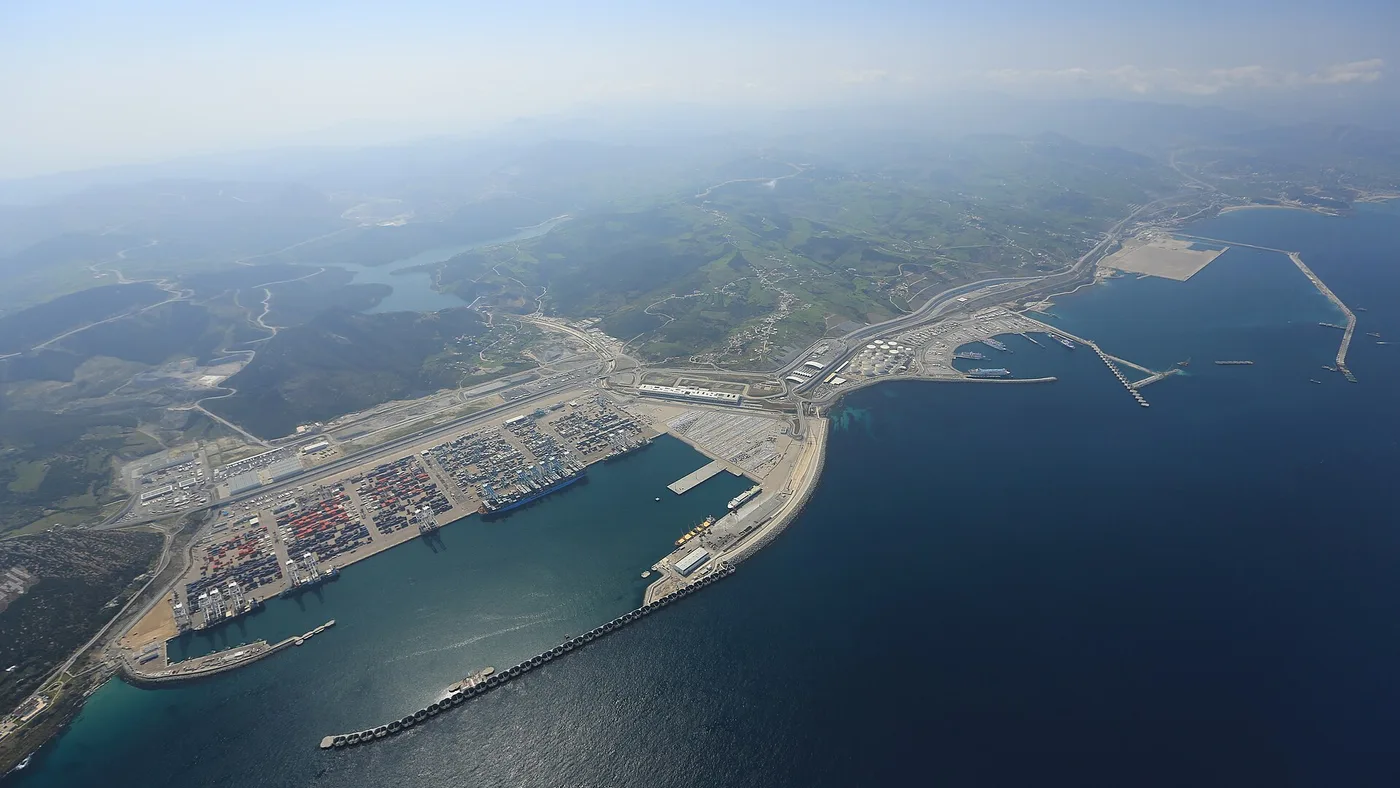

Morocco received more inward FDI in 2024 and held a much larger foreign-investment stock than Algeria. Its clearest lead is in diversified, export-oriented industries. Algeria nevertheless offers major advantages in energy, mining, market size and selected industrial projects.
Latest FDI figures
Comparable UNCTAD World Investment Report 2025 country sheets put 2024 inflows at $1.639 billion for Morocco and $1.439 billion for Algeria. Morocco rose 55.4% year on year and Algeria 18.3%. Flows are volatile: in 2023 Algeria was ahead, while in 2022 Morocco received $2.260 billion against Algeria’s $255 million.
The inward FDI stock shows a wider gap: $61.493 billion in Morocco, 39.6% of GDP, versus $38.299 billion in Algeria, 14.5% of GDP. Announced greenfield projects in 2024 were worth $7.291 billion in Morocco and $452 million in Algeria. Announcements are intentions, not realised investment.
Comparison table
| Criterion | Morocco | Algeria | Observed edge | Source |
|---|---|---|---|---|
| 2024 FDI inflows | $1.639bn | $1.439bn | Morocco | UNCTAD |
| 2024 inward FDI stock | $61.493bn | $38.299bn | Morocco | UNCTAD |
| FDI stock / GDP | 39.6% | 14.5% | Morocco | UNCTAD |
| Announced greenfield, 2024 | $7.291bn | $0.452bn | Morocco, announcements | UNCTAD |
| Hydrocarbon resources | Net energy importer | Major oil and gas producer | Algeria | IEA |
Morocco’s diversified investment case
Industrial ecosystems: automotive and aerospace
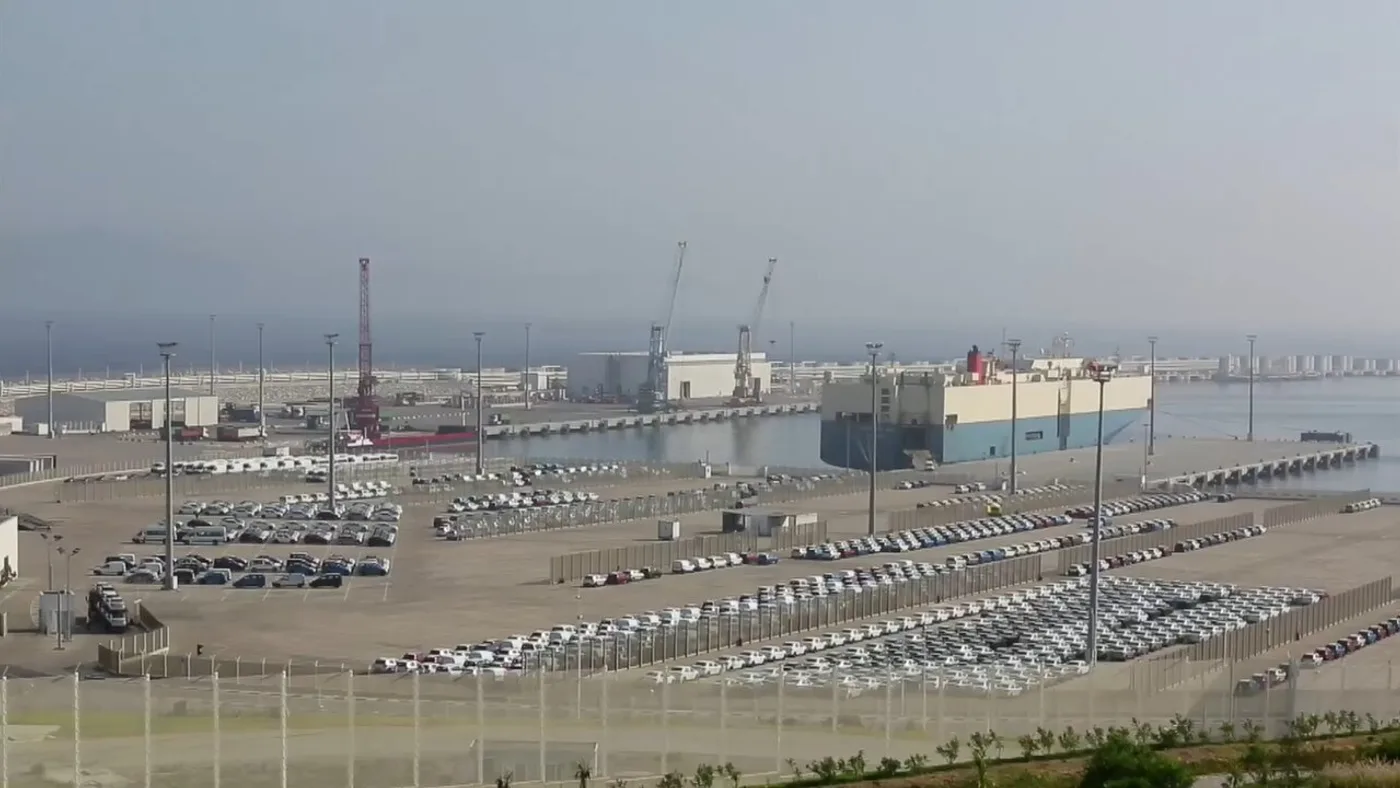
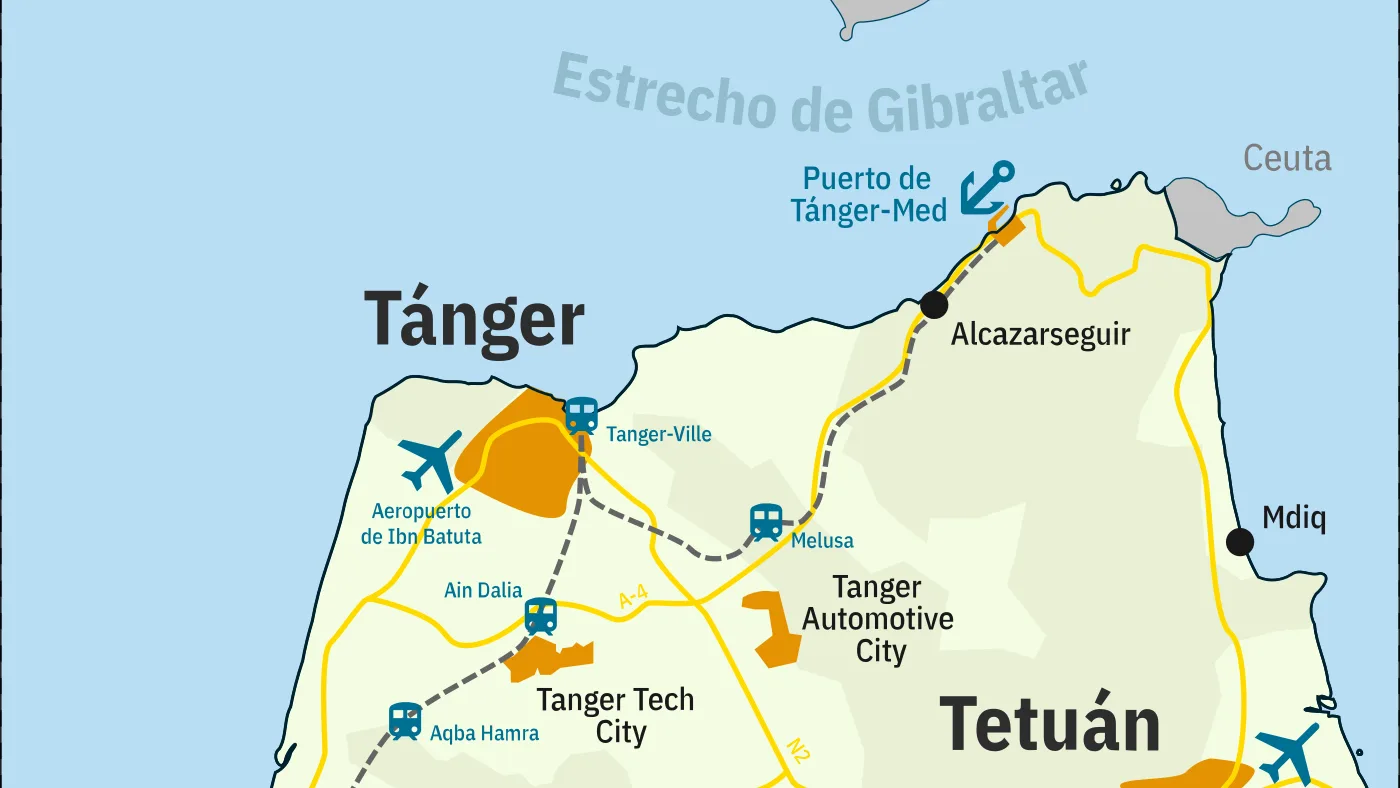
Morocco built automotive supply chains around Tangier and Kenitra and an aerospace cluster around Casablanca. The Foreign Exchange Office recorded MAD157.6 billion of automotive exports in 2024. The industry ministry describes aerospace ecosystems spanning assembly, wiring, maintenance and engineering. A newcomer can plug into suppliers, skills, customs processes and customers already on the ground.
Capacity is approaching one million vehicles, according to official industry statements, but capacity is not actual annual output. The distinction prevents a genuine industrial success from becoming an inflated claim.


Logistics, ports and market access

Tanger Med, export zones and the Strait’s proximity shorten routes to Europe. Morocco combines that position with trade agreements and African networks in banking, telecoms, fertiliser and aviation. Access is not frictionless, but an export plant can serve several regions from one base.
Renewables and business predictability
Solar and wind capacity supports Morocco’s pitch to companies decarbonising supply chains. Hydrogen megaprojects remain at mixed stages, however: allocation or study is not commercial output. Morocco’s weaknesses include imported-energy exposure, water stress, youth unemployment and regional inequality.
Algeria’s investment case
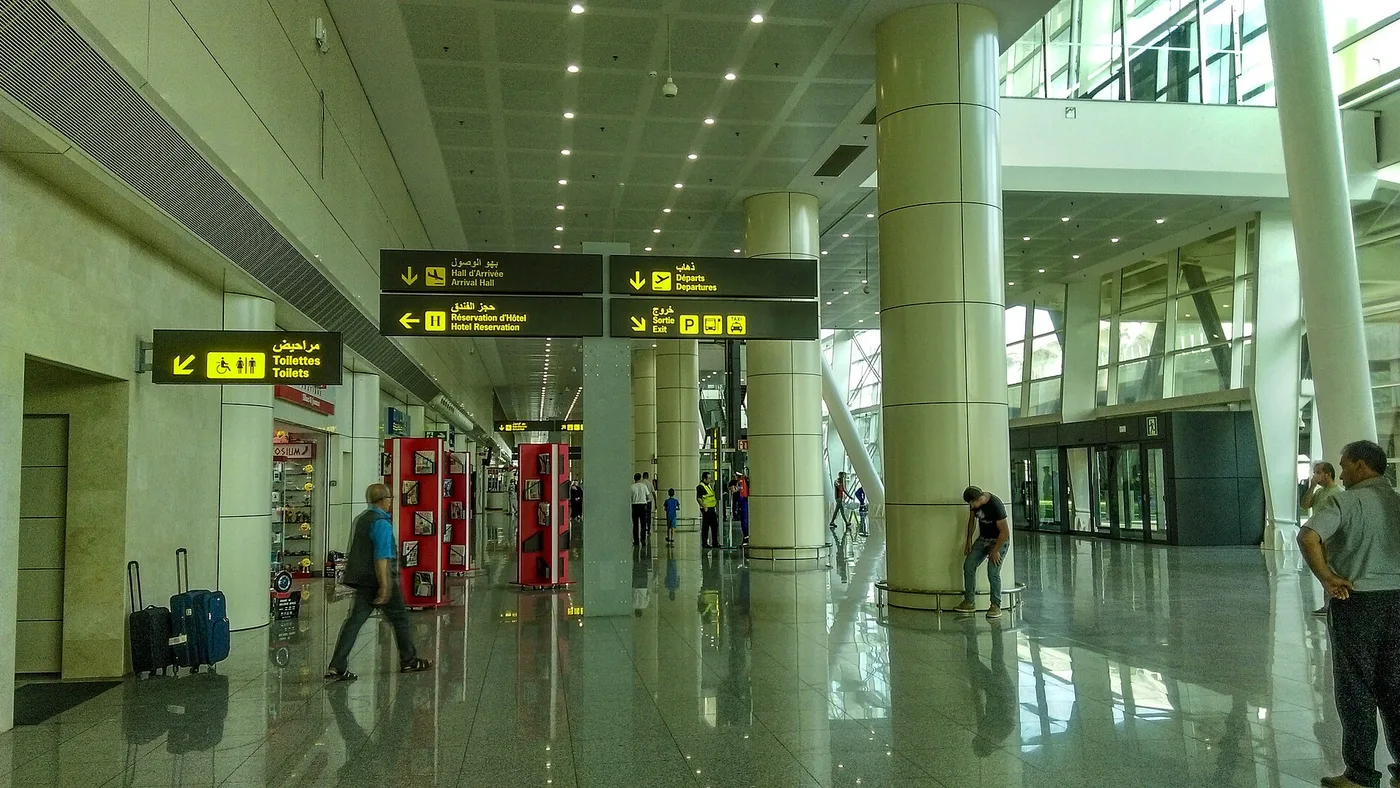

Algeria is more than hydrocarbons. It has gas, oil, iron ore, phosphates, an industrial base, a large population and extensive equipment needs. Energy, petrochemicals, mining, materials, agribusiness and import substitution can make more sense there than in Morocco.
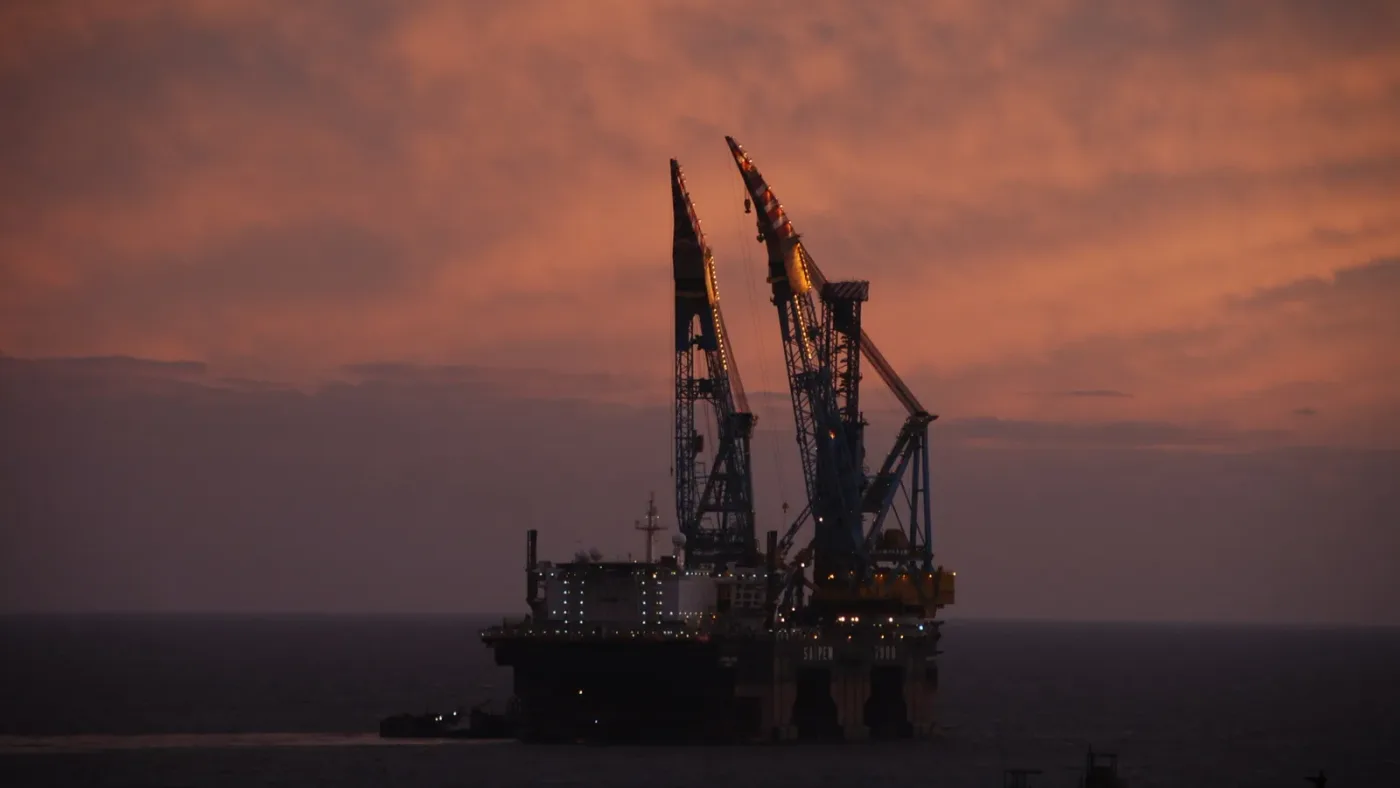

Law 22-18 clarified investment incentives. The Algerian Investment Promotion Agency now presents three regimes and a digital investor platform. The decisive test is consistent delivery: land, permits, finance, foreign exchange and profit repatriation.
How companies actually decide
Companies compare projects, not flags. They model rule stability, port time, suppliers, land and energy cost, skills, currency access and distance to customers.
- Automotive, aerospace and export assembly: Morocco currently has the stronger ecosystem.
- Gas, petrochemicals, mining and energy-intensive industry: Algeria can hold the resource advantage.
- Domestic demand: Algeria offers scale; Morocco offsets this with deeper export integration.
- Africa strategy: Moroccan corporate networks are older; Algeria can gain ground through Saharan corridors and AfCFTA.
What both countries need to improve
Algeria can narrow the gap through predictable administration, timely sector data, smoother logistics and consistent competition rules. Morocco needs higher local value added, more technical skills, lower dependence on imported components, secure water and energy, and investment beyond coastal hubs.
Outlook 2026–2030
Morocco is likely to retain an edge in several Europe-facing sectors if projects arrive on time. Algeria can close it if AAPI reforms produce measurable factories and if mining infrastructure creates local value chains rather than raw-material corridors only.
Read next: our comparison of Morocco–Algeria infrastructure, the economy desk and our investment coverage.
FAQ
Does Morocco always receive more FDI than Algeria?
No. Annual flows swing. Morocco led in 2024; Algeria received more in 2023 according to UNCTAD.
Do all investors prefer Morocco?
No. Morocco currently attracts more diversified industrial investment in several export-oriented sectors. Algeria can be the better fit for energy, mining or domestic-market projects.
Why are greenfield announcements not enough?
An announced project can be delayed, reduced or cancelled. Disbursement, completed plants, jobs and exports are the stronger tests.
Main sources
Related reading
Algerian diaspora: buying property in Algeria from abroad
Editorial guide for the Algerian diaspora: documents, notary, payments, off-plan purchase and checks for acquiring a property from abroad.
Read article
Why Algiers still attracts real estate investors
Capital, liquidity, diaspora and regulatory framework: why Algiers remains a real estate magnet for informed residents and investors.
Read article