Analysis
Western Sahara: has the diplomatic balance between Morocco and Algeria shifted?
UN, autonomy, Polisario, Algeria, US, France, Spain, EU and AU: an attributed position map as of 5 September 2026.
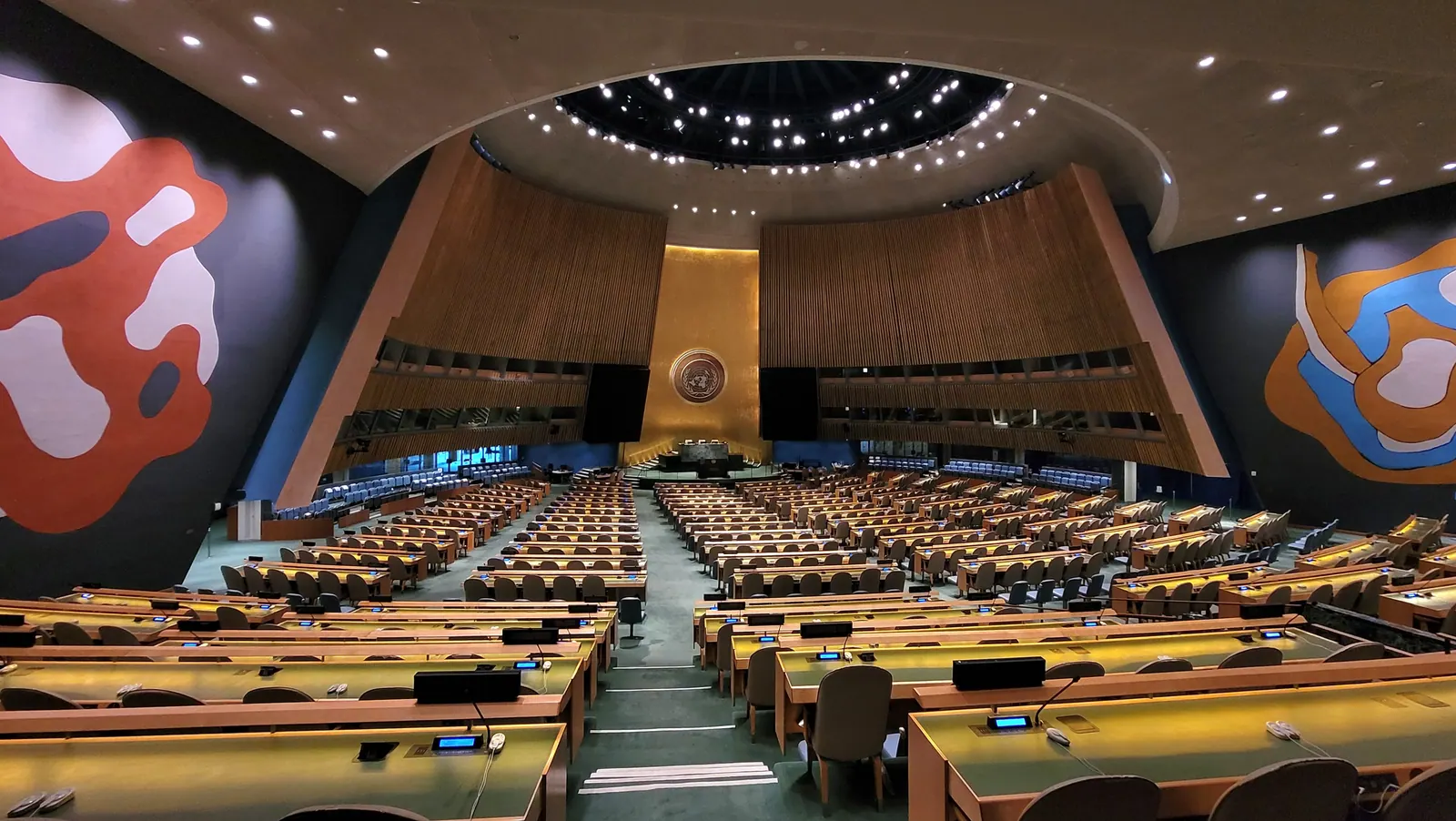

Morocco has broadened support for autonomy and won unprecedented positions from Washington and Paris. Security Council Resolution 2797 strengthens autonomy as the negotiating basis. It also retains a mutually acceptable solution providing for self-determination; it is not UN recognition of Moroccan sovereignty.
What the UN actually decided
Adopted on 31 October 2025 by 11 votes to none, with three abstentions, Resolution 2797 extends MINURSO to 31 October 2026. It backs negotiations taking Morocco’s autonomy proposal as a basis, seeking a just, lasting and mutually acceptable solution that provides for the self-determination of Western Sahara’s people.
That language favours Morocco’s method but does not legally close the file. MINURSO remains and the UN process continues.
Position map
| Actor | Attributed position | What it changes | What it does not change |
|---|---|---|---|
| Morocco | Claims sovereignty; autonomy under Moroccan sovereignty | Framework supported by more states | No final UN settlement |
| Polisario Front | Referendum including independence; claims the SADR | Remains the other party in the UN process | Does not administer most territory |
| Algeria | Supports Polisario and self-determination; calls itself a neighbouring state | Political support and refugee hosting near Tindouf | UN does not substitute Algeria for Polisario as party |
| United States | Recognised Moroccan sovereignty in 2020; backs autonomy | Major bilateral gain for Rabat | Not a Security Council decision |
| France | Since 2024, present and future lie within Moroccan sovereignty | Shift by a key European power | France still references the UN framework |
| Spain | In 2022 called autonomy the most serious, credible and realistic basis | Closer alignment with Rabat | Not explicit sovereignty recognition |
| European Union | In 2026, genuine autonomy could be the most feasible outcome; UN-led | More favourable language | Separate from member-state positions |
| African Union | SADR remains a member; institutional support for self-determination | Preserves Polisario’s diplomatic space | Cannot impose a UN settlement |

Has Morocco gained ground?
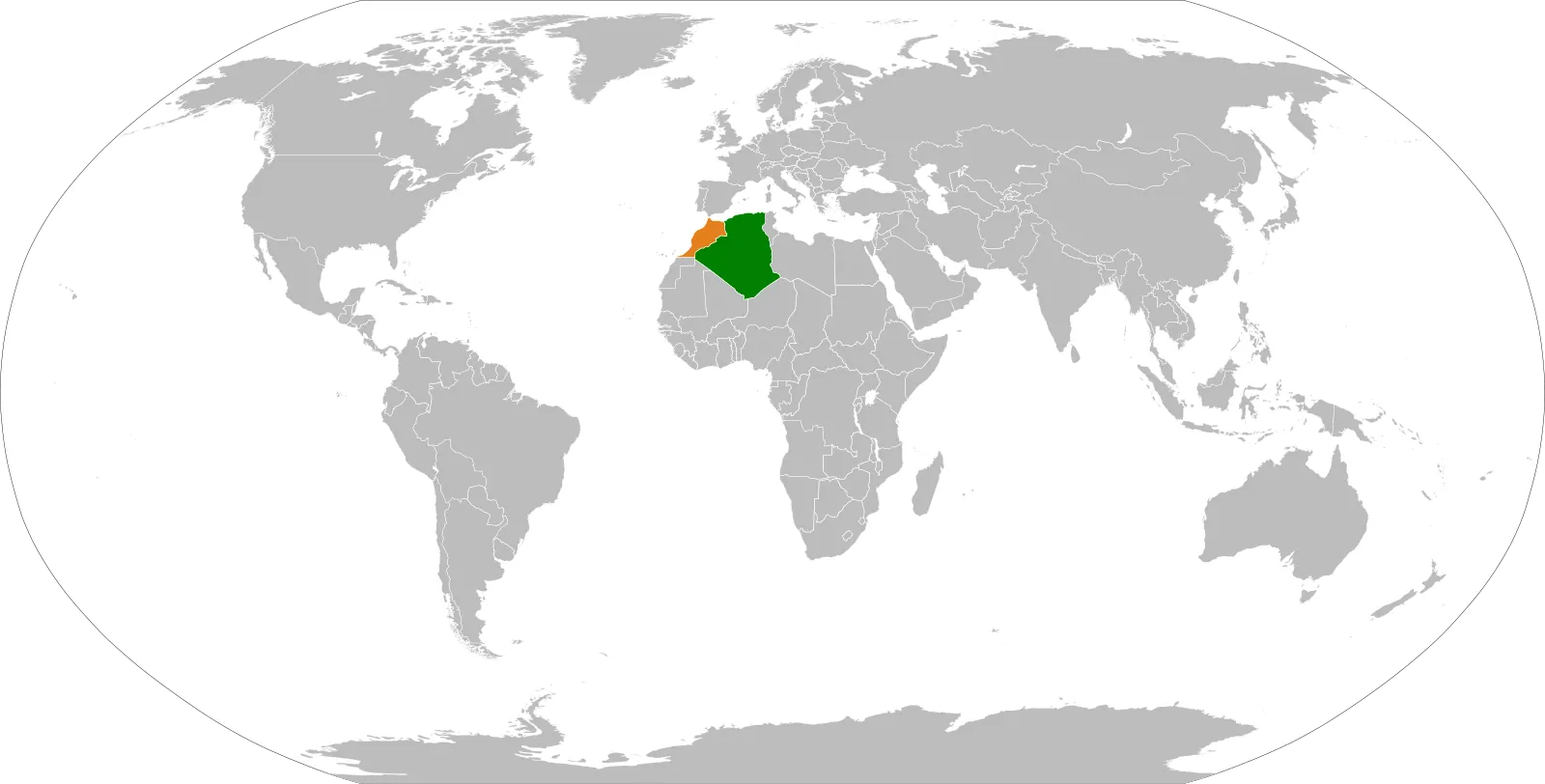
Yes, diplomatically. Consulates opened in Laayoune and Dakhla by African, Arab and Caribbean states make bilateral support visible. US, French and Spanish positions carry more weight. France now places the territory’s present and future within Moroccan sovereignty and calls autonomy the only basis, going further than Spain.
Yet a consulate is one state’s act. It does not automatically reclassify a territory at the UN. Support counts also vary depending on whether they measure sovereignty recognition, backing for autonomy or merely favourable wording.

Why Algeria remains central
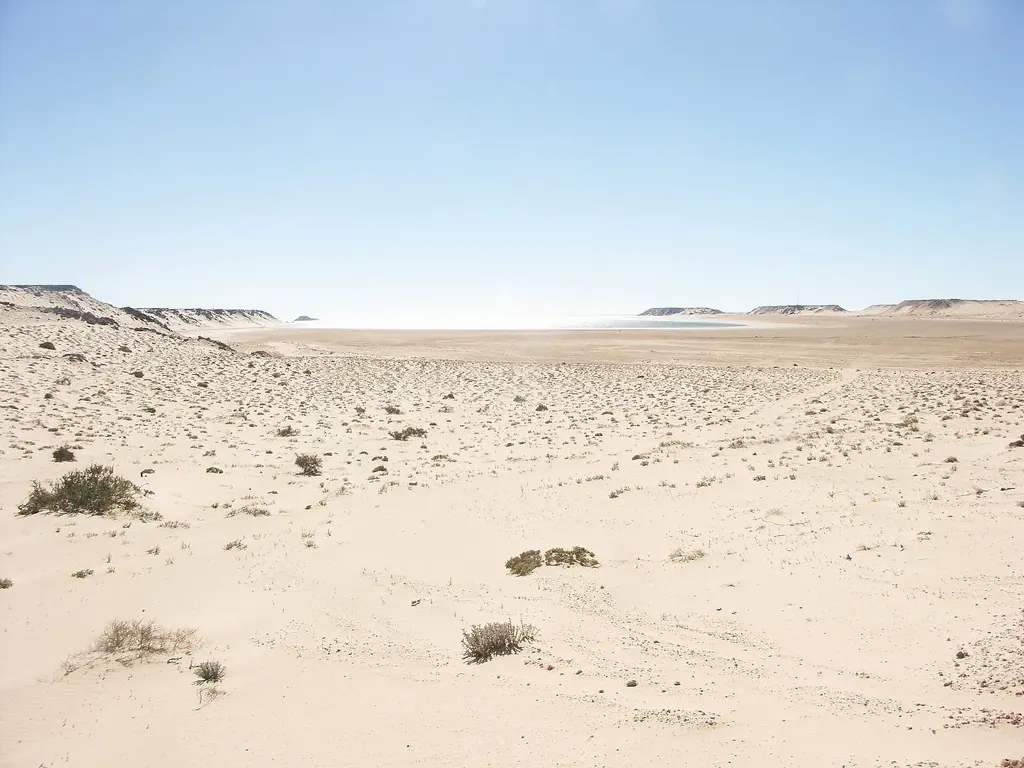

Algeria hosts refugee camps near Tindouf and supports Polisario. It says it defends decolonisation and is not a party; Rabat calls its role decisive. UN diplomacy consults Morocco, Polisario, Algeria and Mauritania without erasing the difference between parties and neighbours.
SADR membership of the African Union preserves an institutional counterweight. Morocco’s 2017 return to the AU did not remove SADR; it moved the contest inside the organisation.
The recent changes that matter
Resolution 2797 is the central multilateral change: autonomy is expressly the negotiating basis, while self-determination and mutual acceptability remain. In 2026 the EU said genuine autonomy could be the most feasible outcome, still under UN leadership. Staffan de Mistura’s consultations resumed, but no final agreement had been announced by 5 September 2026.
Who is ahead, and on which scoreboard?
Rabat leads in support for autonomy and bilateral gestures. Polisario and Algiers retain leverage in the decolonisation framework, AU membership and self-determination principle. “Final victory” is false in either direction. A genuine shift would require an accepted agreement or clear multilateral decision, not a pile of communiqués.
For more context, continue with our Morocco–Algeria infrastructure comparison, the international-investment analysis and the analysis desk.
FAQ
Has the UN recognised Moroccan sovereignty?
No. Resolution 2797 takes autonomy as a negotiating basis but still seeks a mutually acceptable solution providing for self-determination.
Does MINURSO still exist?
Yes. Its mandate runs to 31 October 2026.
Do France, Spain and the US hold the same position?
No. Washington and Paris go as far as Moroccan sovereignty in their bilateral positions. Spain supports autonomy as the most serious, credible and realistic basis within the UN process.
Main sources
Related reading
Morocco 2030: can Algeria keep up with the pace?
High-speed rail, airports, ports, stadiums and mining rail: a verified project-by-project comparison of Morocco and Algeria.
Read article
Algeria-Spain relations: gas, Western Sahara and a cautious reset
After Pedro Sanchez’s visit to Algiers, a sourced reading of gas, economic cooperation and the Western Sahara context.
Read article
World Cup 2026: official review of Algeria and Morocco
Verified FIFA results: Algeria's path, Morocco s path and a Maghreb reading after Spain's title.
Read article