Analysis
Morocco 2030: is the infrastructure gap with Algeria widening?
High-speed rail, airports, ports, stadiums and mining rail: a verified project-by-project comparison of Morocco and Algeria.
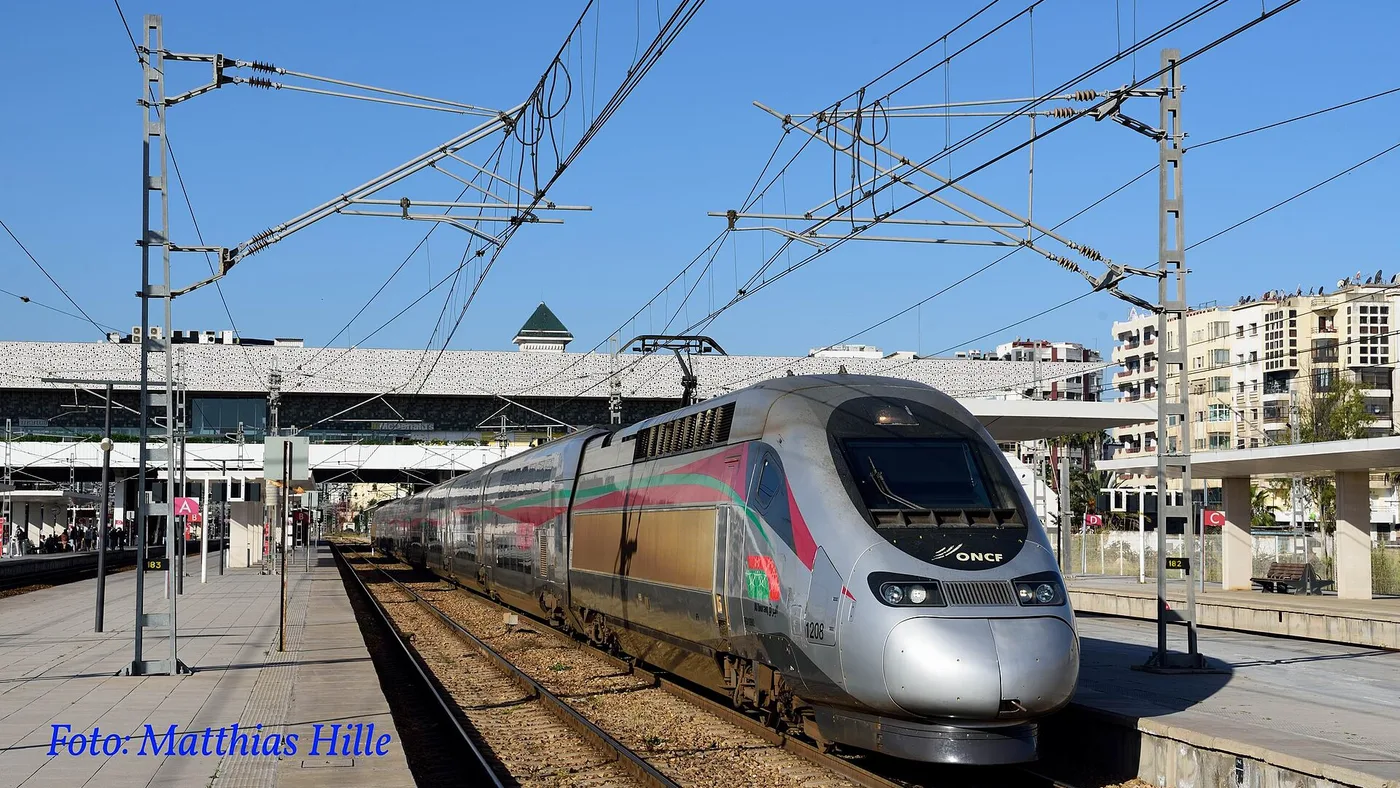

Morocco leads in infrastructure tied to international flows: high-speed rail, a global port hub and air capacity. Algeria is accelerating with a larger road network and a newly opened 950 km mining railway. The gap is not universal; it is mainly about execution speed and connecting transport with tourism and exports.
Why 2030 changes the scale
FIFA formally appointed Morocco, Spain and Portugal as 2030 World Cup hosts in December 2024. Hosting is confirmed; delivery of each project is not. Our status labels therefore separate operational, under construction, officially approved, tendered, announced, proposed and unverified.
Major projects: verified status
| Project | Country | Status on 5 September 2026 | Verified point | Source |
|---|---|---|---|---|
| Al Boraq Tangier–Casablanca | Morocco | Operational | Africa’s first high-speed line, in service | ONCF |
| Kenitra–Marrakech high-speed line | Morocco | Under construction | 430 km; physical works documented in April 2026 | ONCF |
| 168 new trains | Morocco | Officially approved | Contracts awarded February 2025; MAD29bn | ONCF |
| New Casablanca terminal | Morocco | Under construction | Earthworks began July 2025; 35m-capacity target for 2029 | ONDA |
| Gara Djebilet–Tindouf–Bechar | Algeria | Operational | 950 km inaugurated 1 February 2026 | APS |
| 15,000 km rail network | Algeria | Announced | Government 2030 target, not existing length | AfDB |
| Laghouat–Ghardaia–El Menia | Algeria | Proposed | 495 km corridor described in AfDB documents | AfDB |
Rail: Moroccan speed, Algerian reach
ONCF values its programme at MAD96 billion: 53 billion for the high-speed line and equipment, 29 billion for rolling stock and 14 billion for the existing network. By April 2026 land acquisition for Kenitra–Marrakech was complete and viaduct works were underway. These are physical works, not renders.
Algeria faces a different geography. Gara Djebilet–Tindouf–Bechar links a south-western mine to the northern network. Before it opened, the African Development Bank listed 4,787 km of rail, 486 km electrified. The 15,000 km figure is a target. Counting unbuilt projects as existing track would mislead readers.

Airports, ports and capacity
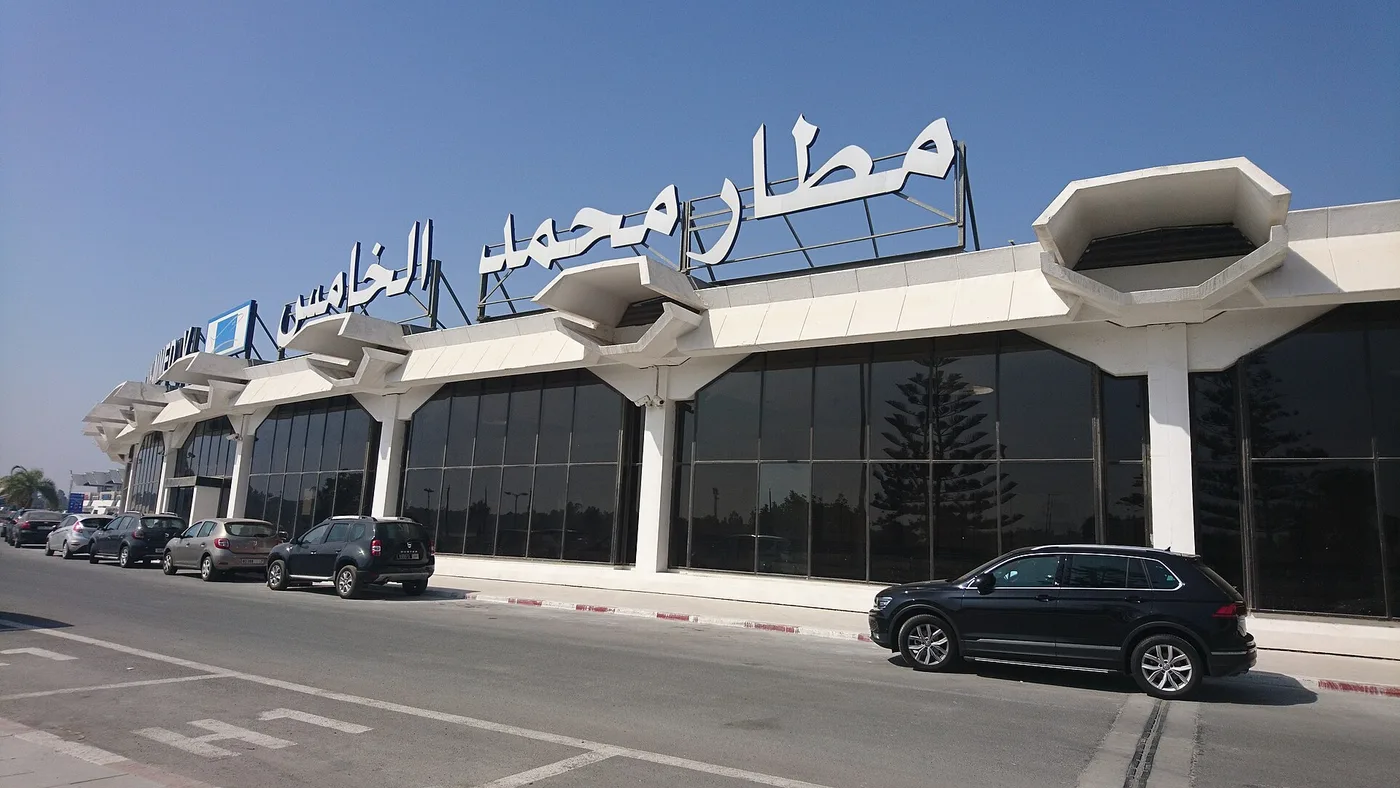

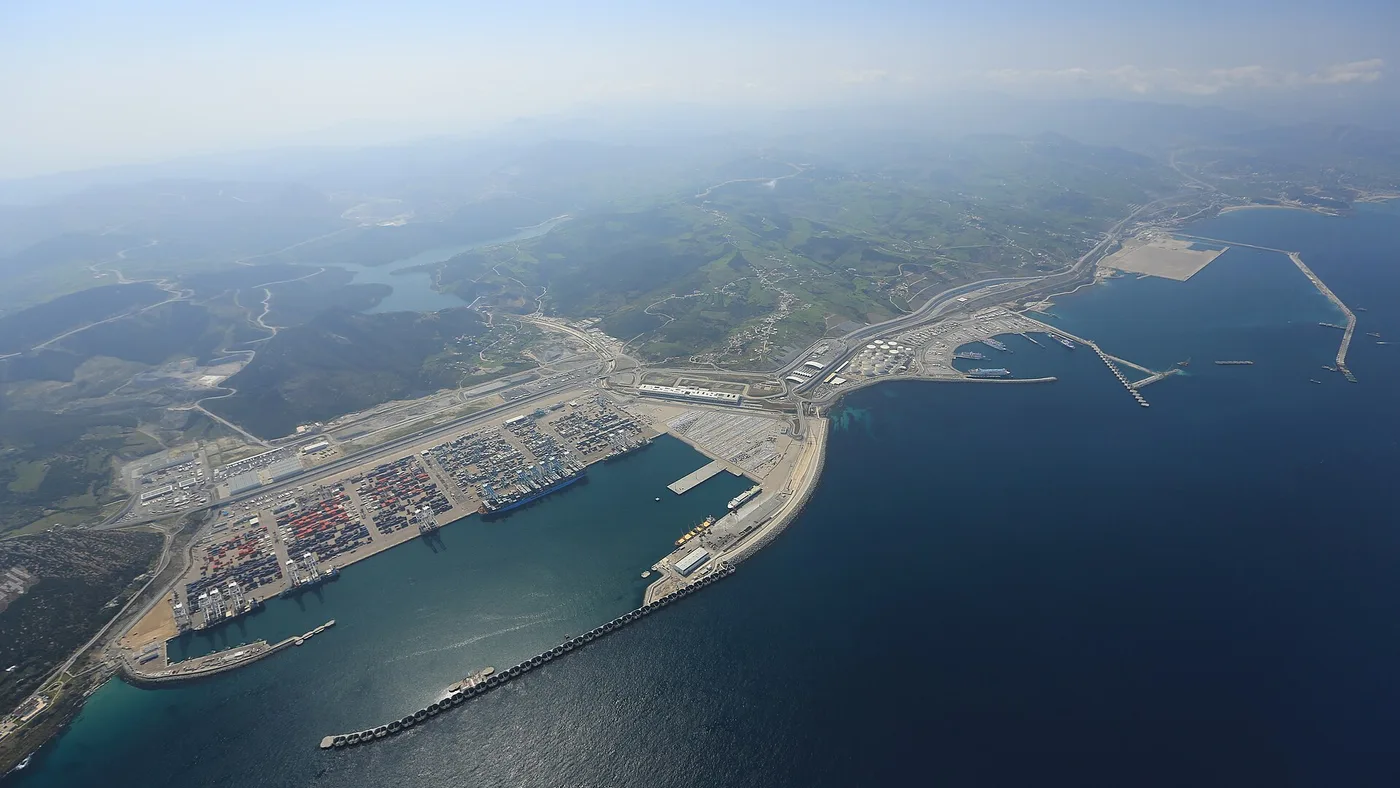
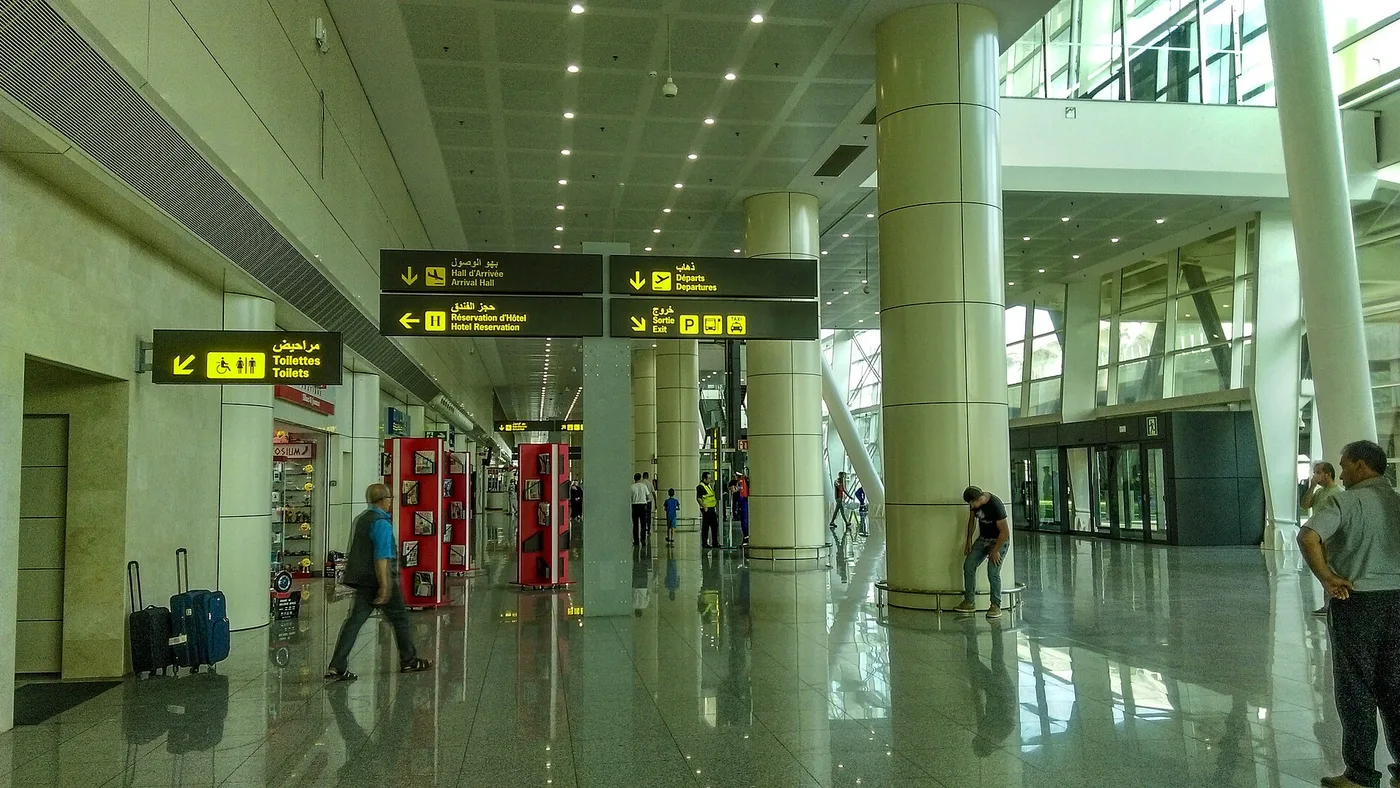
ONDA handled 36.3 million passengers in 2025, up from 32.7 million in 2024. Airports 2030 covers Casablanca, Marrakech, Agadir, Tangier and Fez. Tanger Med adds maritime depth, linking ports, motorways, industrial zones and rail.
The AfDB lists Algeria’s 36 airports, including 20 international airports, ten commercial ports and 140,917 km of roads, 117,509 km paved. Scale is Algeria’s advantage; converting long distances into fast, maintained and commercially viable corridors is the challenge.

Stadiums and the World Cup caveat
Moroccan stadium work accelerated for AFCON 2025 and the 2030 World Cup. A renovated arena does not guarantee urban transport, hotel capacity or post-event returns. The lasting advantage will come from facilities citizens and businesses keep using.
Is the gap really widening?
Yes in integrated export-and-tourism logistics and high-speed rail. No across every category: Algeria’s road system is extensive and its delivered mining line is substantial. Algeria needs synchronised ports, rail, customs and production zones. Morocco faces the opposite risk: too many simultaneous projects, cost inflation, water pressure and under-use after 2030.
What to watch through 2030
Track kilometres actually opened, airport capacity commissioned, travel and customs times, post-event use and final cost. A promised date becomes a fact only at handover.
Read next: Algeria 2030, infrastructure and opportunities, our Morocco–Algeria tourism comparison and the analysis of international investment.
FAQ
Is the Kenitra–Marrakech high-speed line open?
No. It was under construction on 5 September 2026. Tangier–Casablanca is operational.
Does Algeria already have 15,000 km of rail?
No. That is an announced 2030 target. The AfDB listed 4,787 km before the new 950 km line opened.
Does the 2030 World Cup pay for every project?
No. It accelerates some investment, but many programmes also serve daily transport, tourism, industry and trade.
Main sources
Related reading
Morocco vs Algeria tourism: why Morocco draws more visitors
Visitors, receipts, hotels, flights, visas and destinations: the figures behind the Morocco–Algeria tourism gap.
Read article
Western Sahara: where does the diplomatic balance stand?
UN, autonomy, Polisario, Algeria, US, France, Spain, EU and AU: an attributed position map as of 5 September 2026.
Read article
World Cup 2026: official review of Algeria and Morocco
Verified FIFA results: Algeria's path, Morocco s path and a Maghreb reading after Spain's title.
Read article