News
Morocco vs Algeria football: who really leads in facilities, development and results?
Rankings, youth teams, academies, stadiums, clubs and women’s football: what verified results say about both systems.
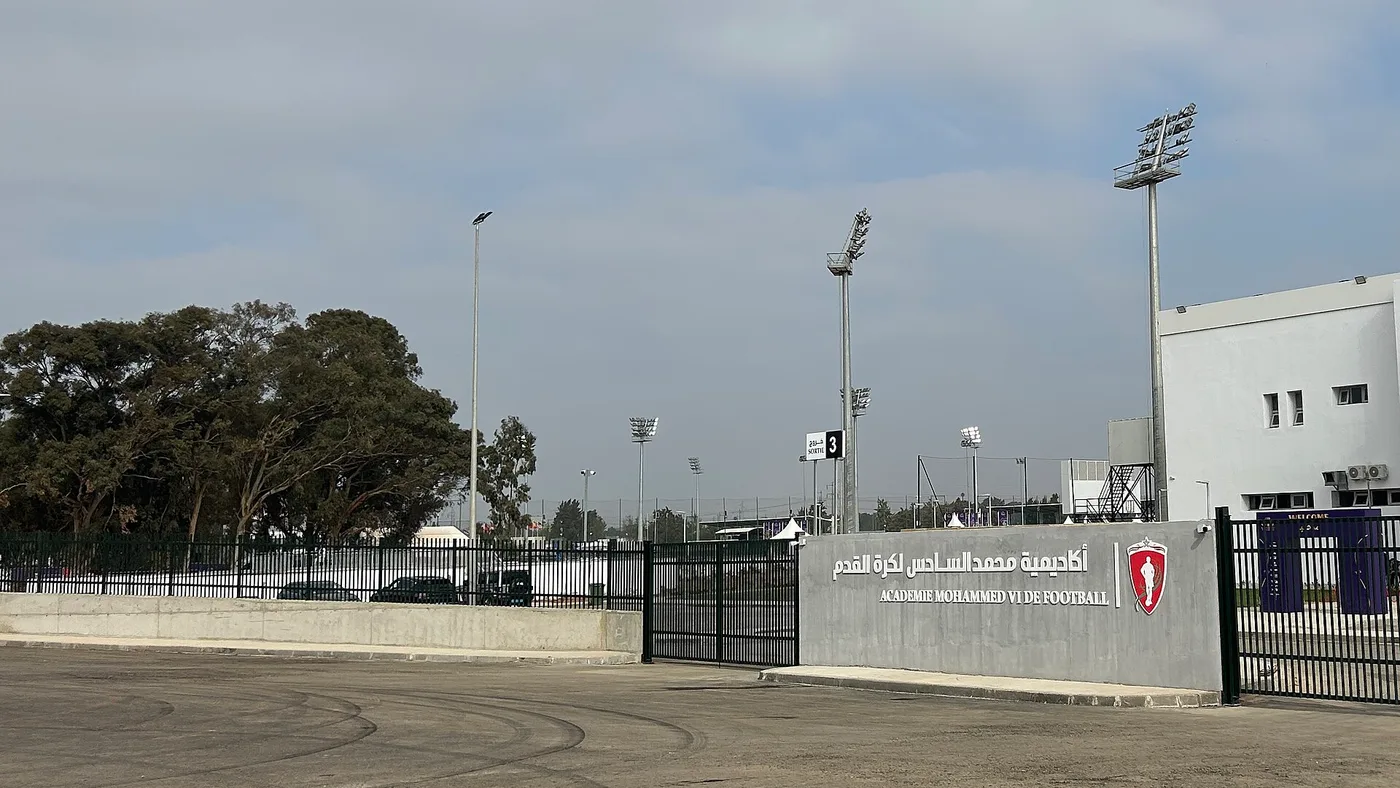

Morocco currently leads on system continuity: national and regional facilities, youth results, women’s football and international visibility. Algeria retains a huge talent pool, a title-winning history and a high-level diaspora. Its recent results point to recovery, but with less consistency across age groups.
What recent results show
In the men’s FIFA ranking published on 20 July 2026, Morocco stood 6th and Algeria 29th. A ranking cannot grade an academy or league; it does capture senior-team consistency over time.
| Verified indicator | Morocco | Algeria | Date / source |
|---|---|---|---|
| Men’s FIFA ranking | 6th | 29th | FIFA, 20 July 2026 |
| U20 World Cup | Champions | Did not reach finals | CAF, October 2025 |
| 2025 U17 AFCON | Champions | Did not reach finals | CAF |
| 2026 U17 qualifying | 12 points | 7 points, qualified | CAF |
| 2026 Women’s AFCON | 4th | 3rd, first podium | CAF, 15 August 2026 |
Morocco’s edge: a connected pathway
Opened in 2019, the Mohammed VI complex covers nearly 30 hectares and brings together pitches, medicine, accommodation and national-team preparation, FIFA reports. Buildings alone do not make champions. Morocco’s distinction is the pathway: regional scouting, club academies, qualified coaches, youth competition and international exposure.
The 2025 African U17 and world U20 titles matter because they cover two generations. They do not guarantee senior careers, but they show measurable development output.

Algeria’s system is not empty
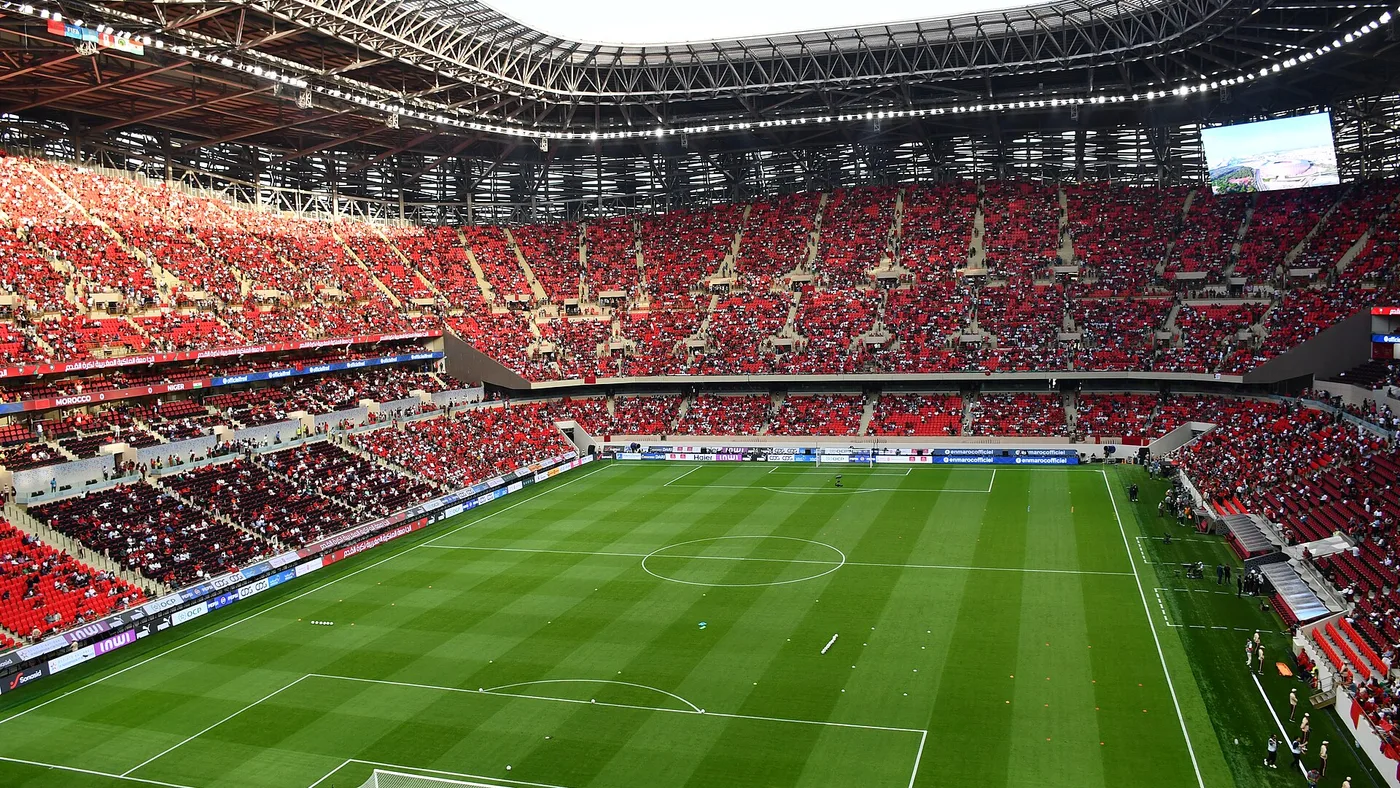
Algeria has the Sidi Moussa national technical centre, major clubs with development traditions and a diaspora widening recruitment. The issue is less talent than continuity between coaching, playing time, pitches, club stability and youth national teams.
U17 qualification for 2026 and the women’s historic bronze in August 2026 contradict claims of irreversible decline. They also show why several cycles matter more than one derby.


Clubs, leagues and player exports
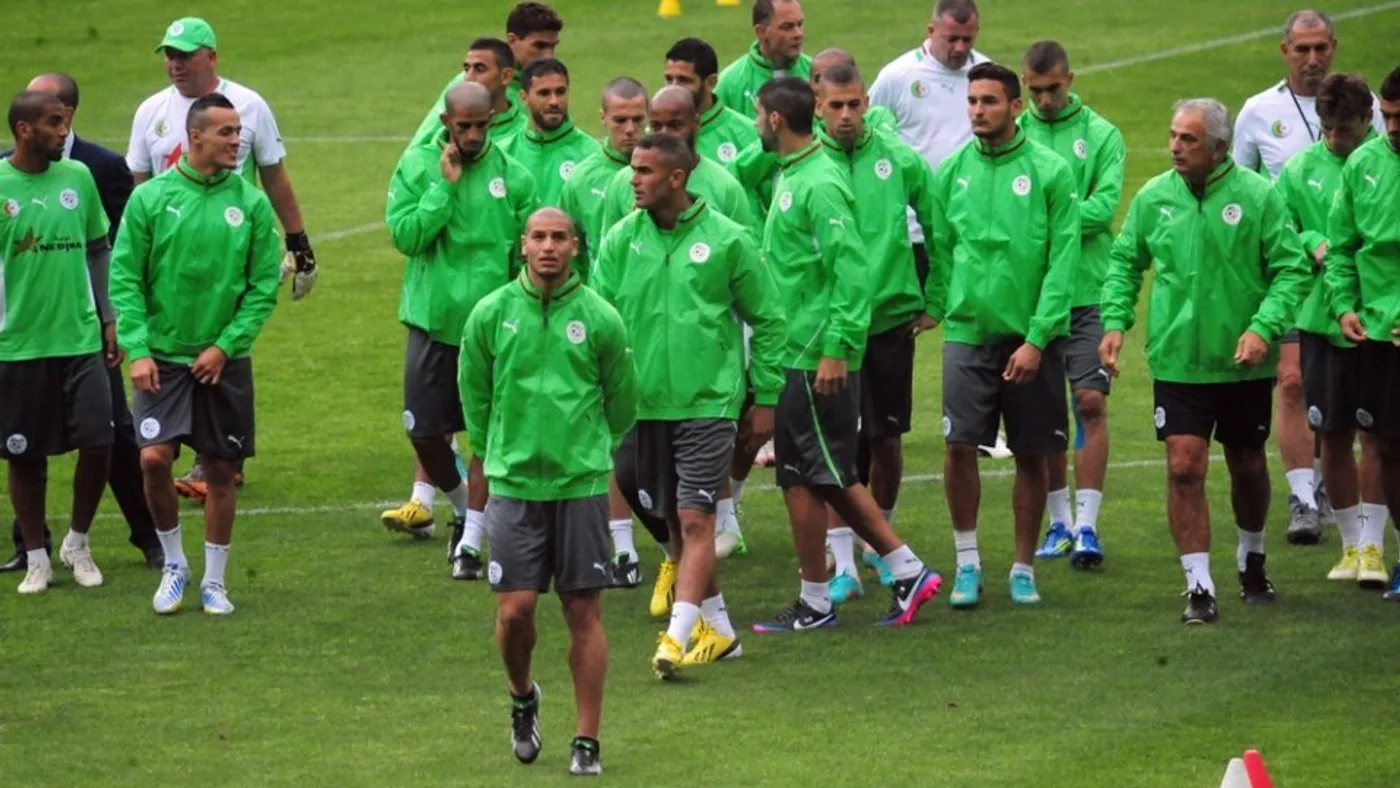
Both countries have African champions. Morocco has recently connected federation, regional centres, clubs and international events more effectively. Algeria still exports players and recruits dual nationals well, but its league periodically faces finance, governance and pitch-quality problems. Counting “players in Europe” without defining country, division and date creates a fake metric, so we omit it.
Women’s football adds nuance
Morocco reached consecutive WAFCON finals in 2022 and the 2024 edition played in 2025, after making its Women’s World Cup debut in 2023. Yet Algeria beat Morocco on penalties for 2026 WAFCON bronze. Morocco leads structurally over several years; Algeria owns the latest continental head-to-head result.
Stadiums, CAF hosting and 2030
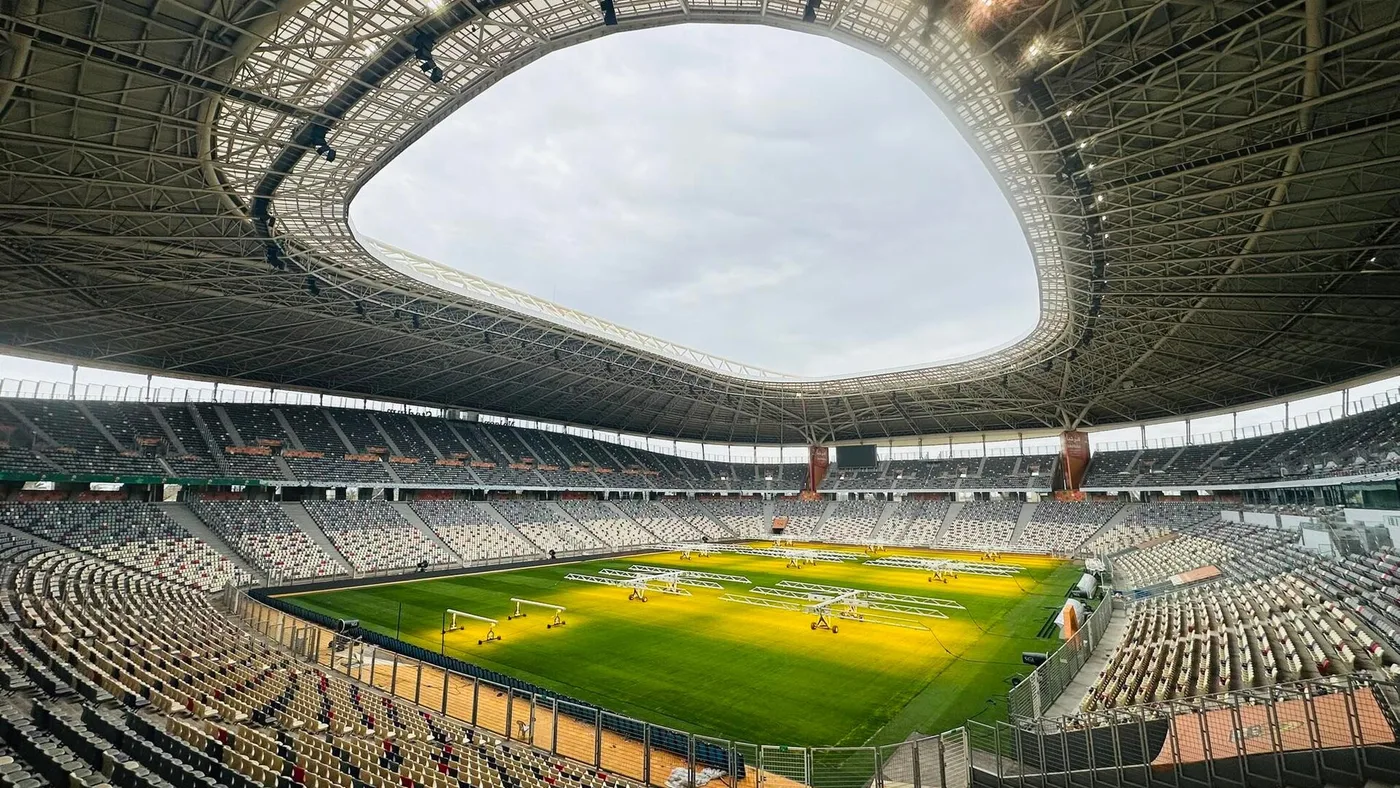
Repeated CAF events and 2030 World Cup preparation give Morocco upgraded grounds, operating experience and attention. Concrete is not development: a venue without healthy clubs, coaches and a regular calendar develops nobody. Algeria can get more from its facilities by stabilising clubs and opening them to youth and women’s pathways.
Outlook
Morocco starts ahead because senior, youth and women’s progress reinforce one another. Algeria can close the gap faster than the ranking suggests if U17 and women’s gains become a continuous programme. Judge the rivalry over five to ten seasons, not one match or stadium photograph.
Read next: the infrastructure comparison through 2030, the tourism comparison and more analysis.
FAQ
Is Morocco permanently better than Algeria?
No. It currently has more consistent systems and recent indicators, but sporting cycles change.
Is one major academy enough?
No. It needs scouting, clubs, coaches, playing time and national-team pathways.
Where has Algeria recently beaten Morocco?
In women’s football: Algeria won 2026 WAFCON bronze against Morocco, its first continental podium.
Main sources
Related reading
Algeria wildfires: Viva Algérie confirms Moroccan Canadair intervention
Viva Algérie confirms that Moroccan Canadair aircraft took part in firefighting operations in Algeria alongside Algerian resources. Toll, affected areas and regional solidarity.
Read article
Algeria heatwave: affected provinces, fires and safety guidance
Updated look at the heatwave, provinces cited by BMS bulletins, fires and electrical safety.
Read article
Mohammadia fire: investigation, safety and confirmed facts
Respectful sourced coverage of the Mohammadia tragedy, without victim imagery or speculation.
Read article